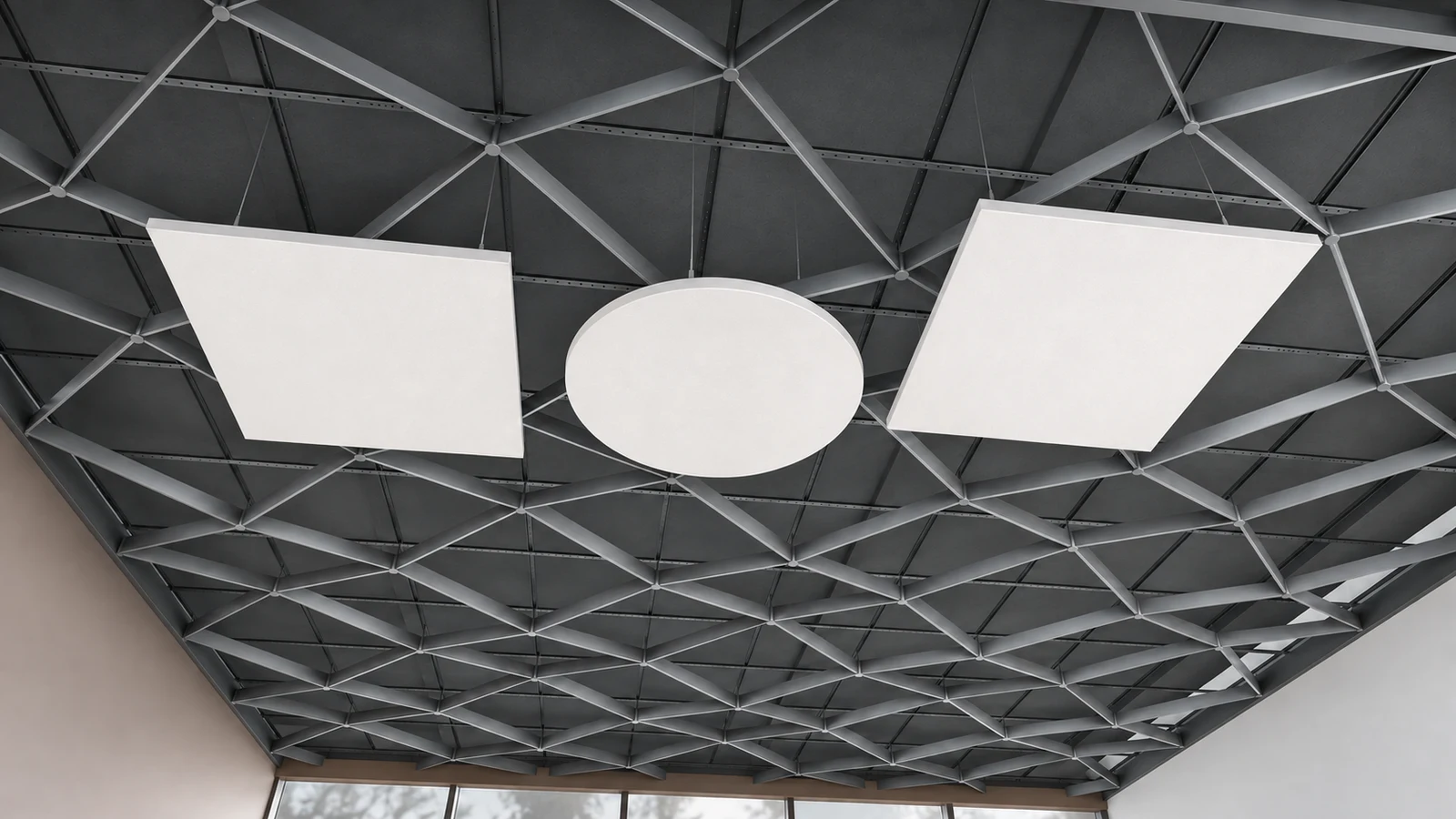
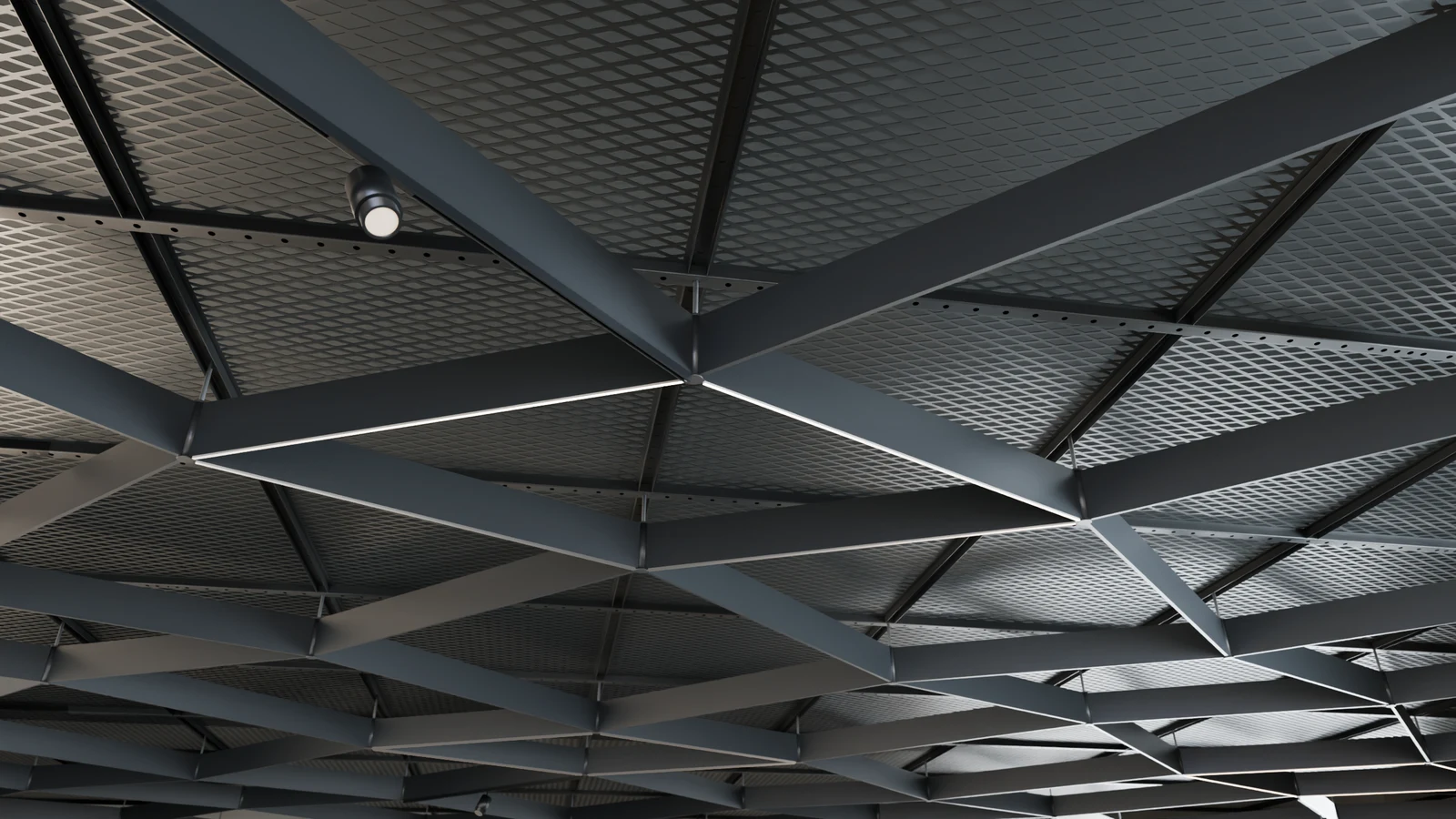
Fire Safety of Ceiling Systems: Why It Is Critical and What OptimusCity Certification Confirms
The fire safety of ceiling systems has a direct impact on expertise, building safety, and compliance with modern building requirements. OptimusCity’s certified ceiling solutions enable the use of metal structures in public spaces, escape routes, and fire protection-intensive facilities.
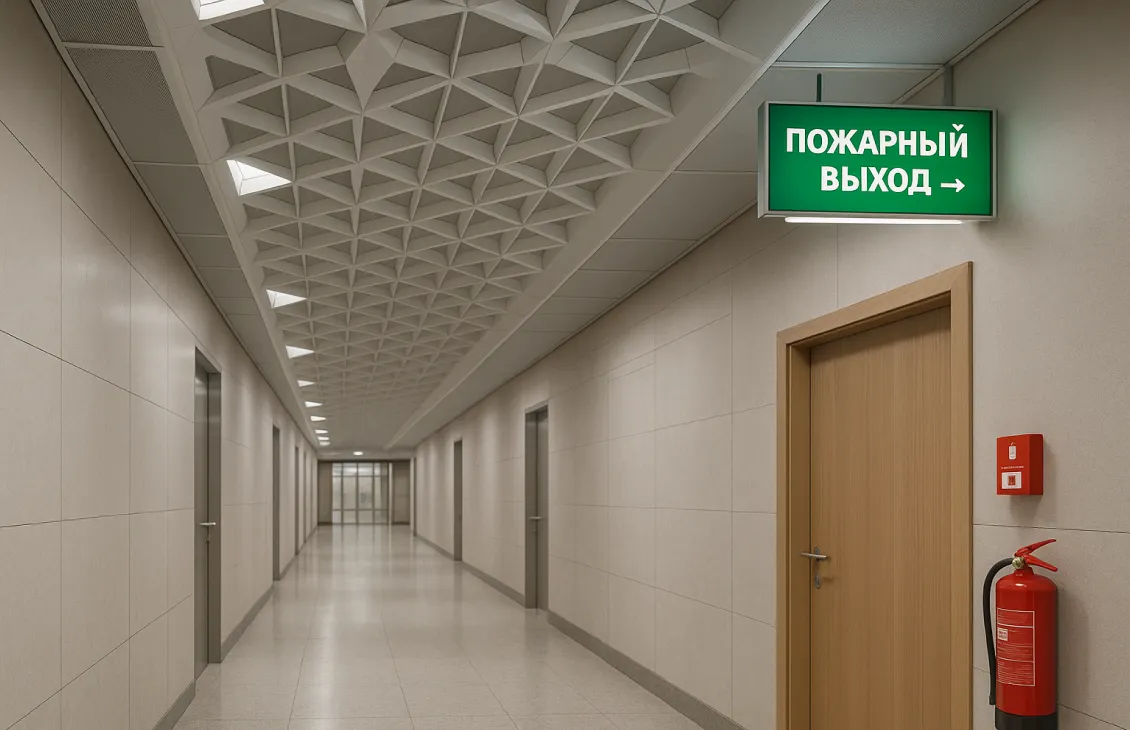
Fire safety is one of the key criteria in the selection of finishing materials for public, commercial and infrastructural facilities: ceiling systems are involved in the formation of escape routes, close down utilities and directly affect the spread of fire, heat and smoke indoors.
Therefore, the requirements for ceiling structures are especially high: the material must not only preserve the geometry and appearance, but also comply with fire safety standards, confirmed by official certification.
For modern projects, the presence of confirmed fire-fighting characteristics has ceased to be an additional advantage - it is a prerequisite for the design, construction and operation of the facility.
Why the Ceiling System Affects the Fire Safety of a Building
The ceiling is not just a decorative function, it's part of the engineering design of the room that interacts with the building's life support systems.
Ceiling system simultaneously:
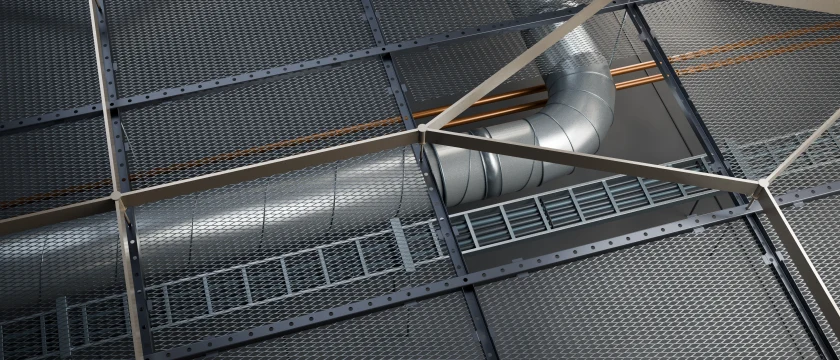
- closes cable lines and building services;
- forms an air volume between the overlapping and finishing;
- provides access to ventilation and fire alarm systems;
- It affects the movement of smoke during a fire.
If high-combustibility materials are used, the ceiling design can accelerate the development of a fire and increase the load on the escape route.
Why Certification of Ceiling Systems Is Critical
Fire certification confirms that the material has been tested and meets the established technical requirements.
For designers, developers and property owners, this means:
- compliance with the regulatory framework;
- Admission to use in public spaces;
- reducing risks during the examination;
- Protection from comments of supervisory authorities.
Certified ceiling system allows you to preclude the risks associated with the replacement of materials after commissioning of the facility.
What fire-fighting characteristics have ceilings OptimusCity
Ceiling systems OptimusCity developed taking into account the requirements of fire safety for objects of various purposes.
Official certification confirms the following indicators:
Polymer coating
- class G1;
- class B1;
- class D2;
- Class T1.
This means low combustibility, limited flame spread, moderate smoke formation and a safe level of heat release.
Anodised coating
Anodised elements are classified NG - non-combustible materials.
Such solutions are allowed for use in rooms with high fire safety requirements.
Where the use of OptimusCity ceilings is allowed
Certified ceiling systems are allowed to use:
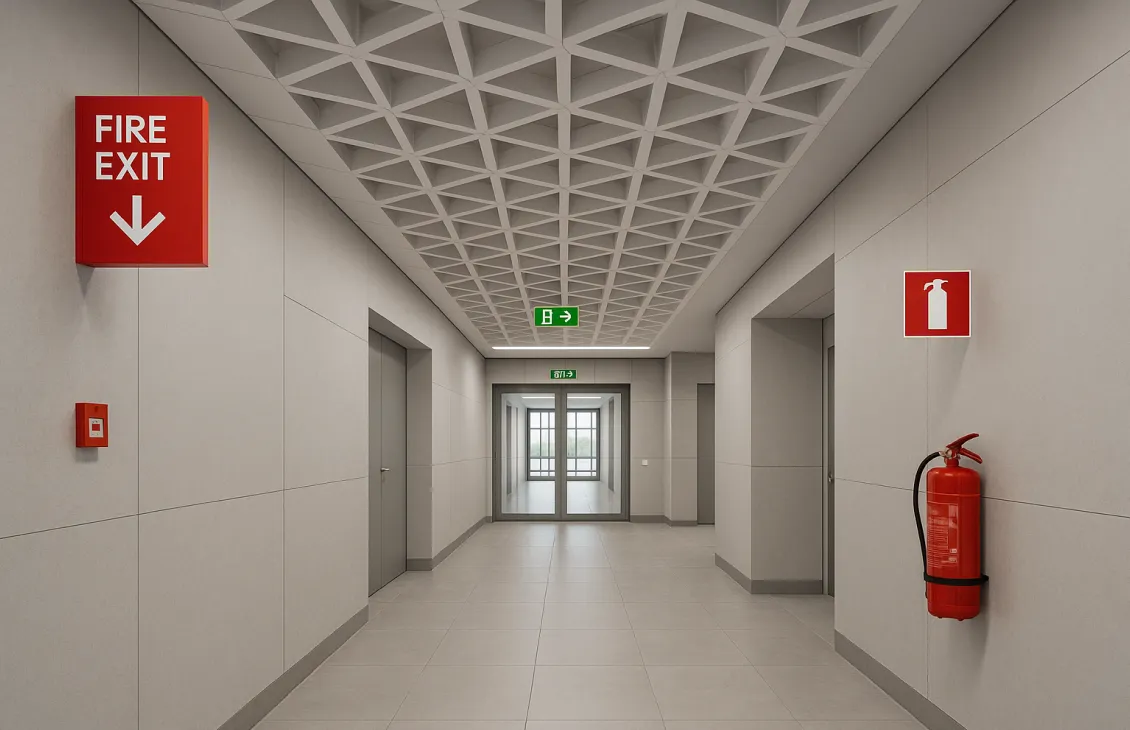
- in escape routes;
- in public corridors and halls;
- in the hotel lobby;
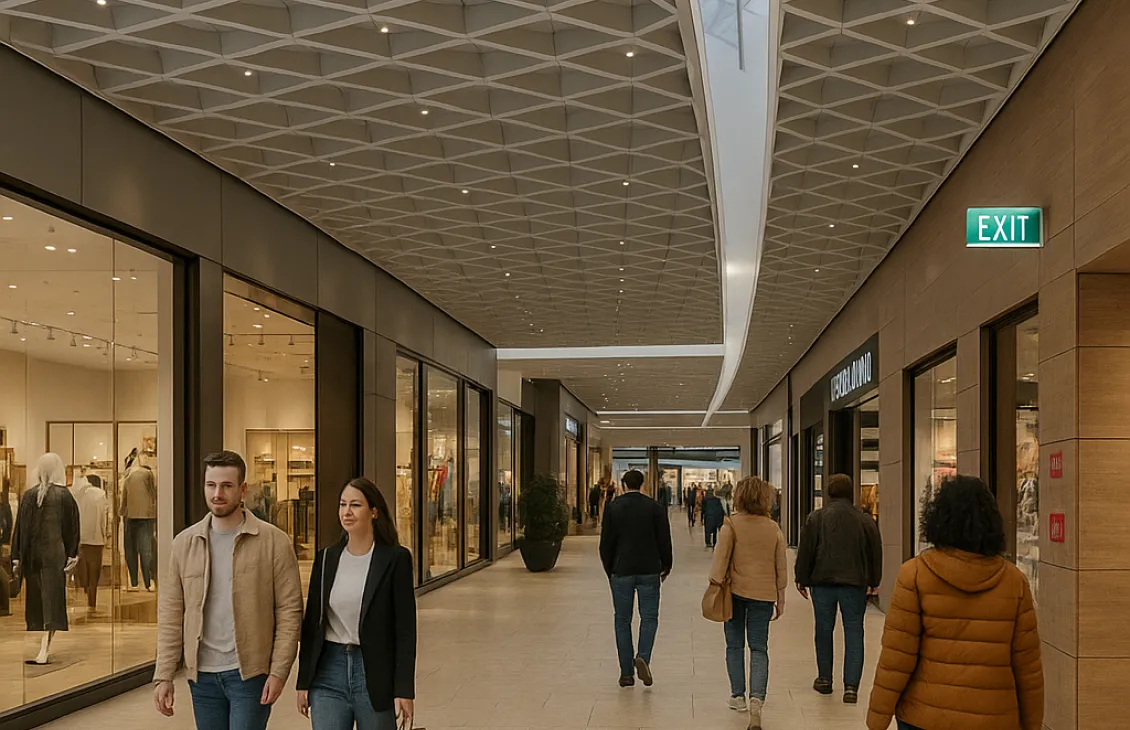
- in shopping malls;
- at airports and train stations;
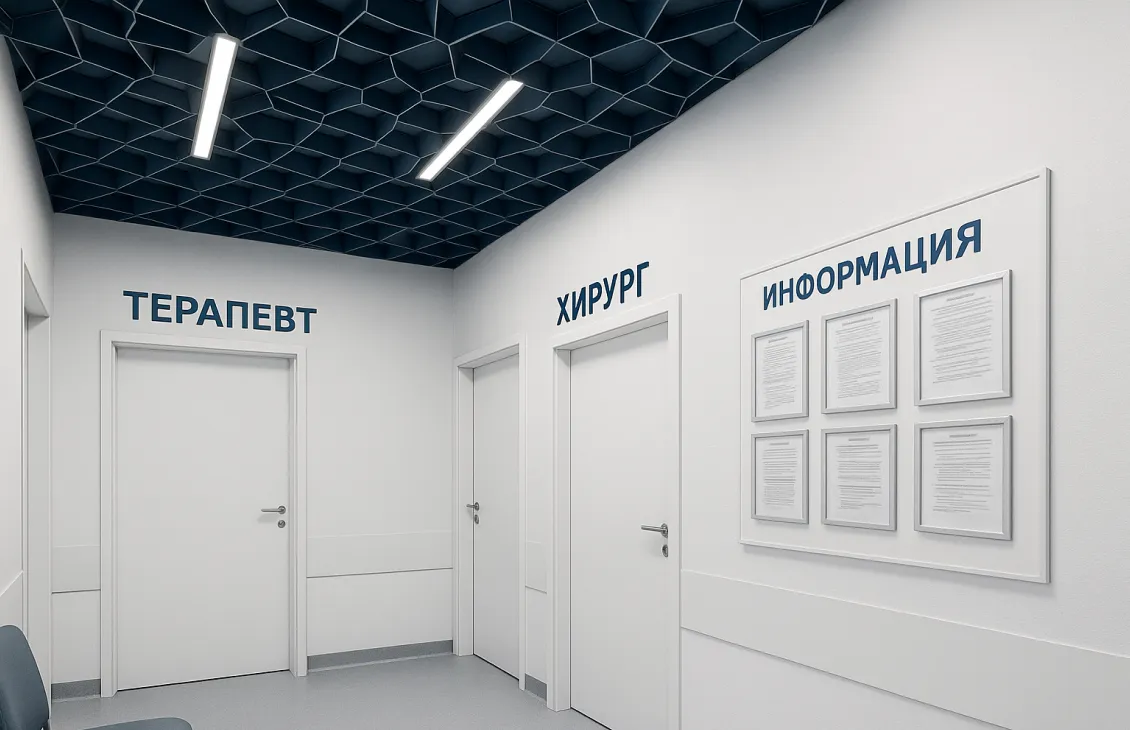
- in hospitals and educational institutions;
- in administrative and business spaces.
This makes the system universal for objects with different categories of fire responsibility.
Why this is important for designers and developers
At the design stage, the correct choice of the ceiling system directly affects the examination and approval of project documentation.
The use of certified solutions allows:
- avoid comments of the state examination;
- not to return the project for revision;
- Eliminate construction delays;
- Reduce the risk of additional costs.
For the developer, this means a more predictable implementation of the project.
Operational stability of ceilings over the service life
Fire safety is important not only at the time of installation, but also for the entire service life.
Metal ceilings OptimusCity They retain their properties due to:
- resistance to corrosion;
- preservation of the geometry of the structure;
- durability of the coating;
- There's no hidden corruption.
Even after multiple dismantling and re-installation, the design retains performance.
Why Safety Became Part of Architectural Choice
Modern ceiling systems must combine architectural expressiveness and engineering reliability.
OptimusCity It combines these requirements: the ceiling system remains aesthetic, flexible in design and meets mandatory fire safety requirements.
For modern facilities, this means that the ceiling becomes part of not only the design, but also the overall strategy for the safe operation of the building.
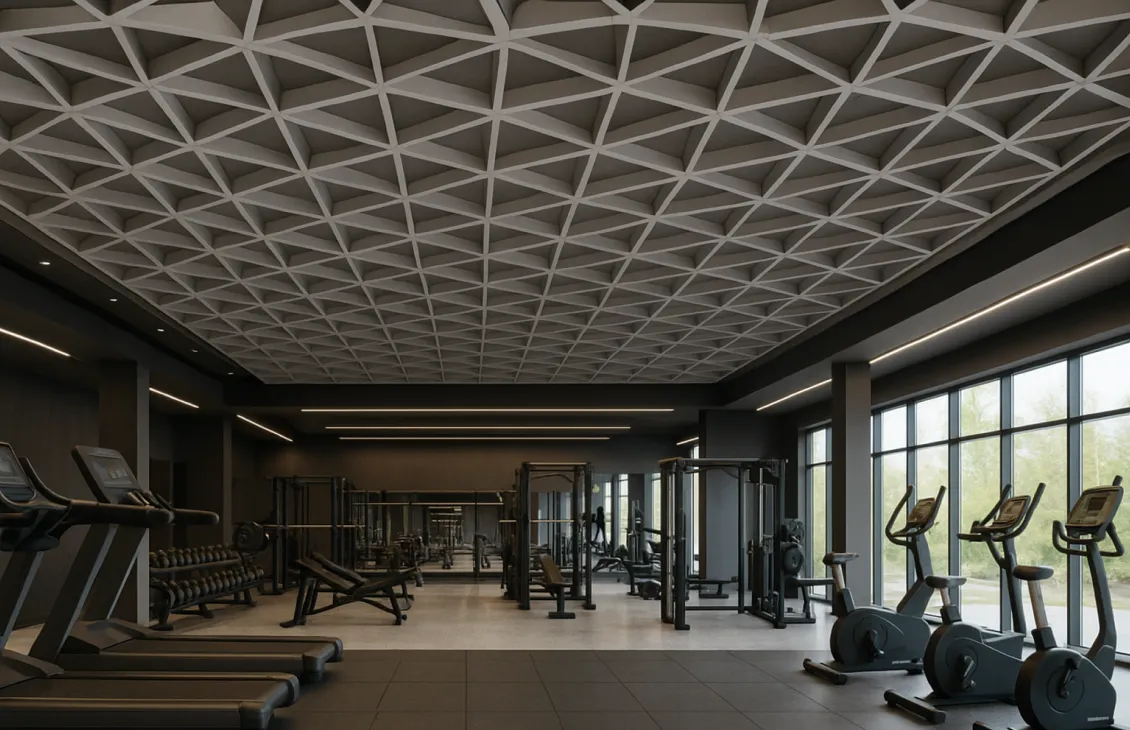
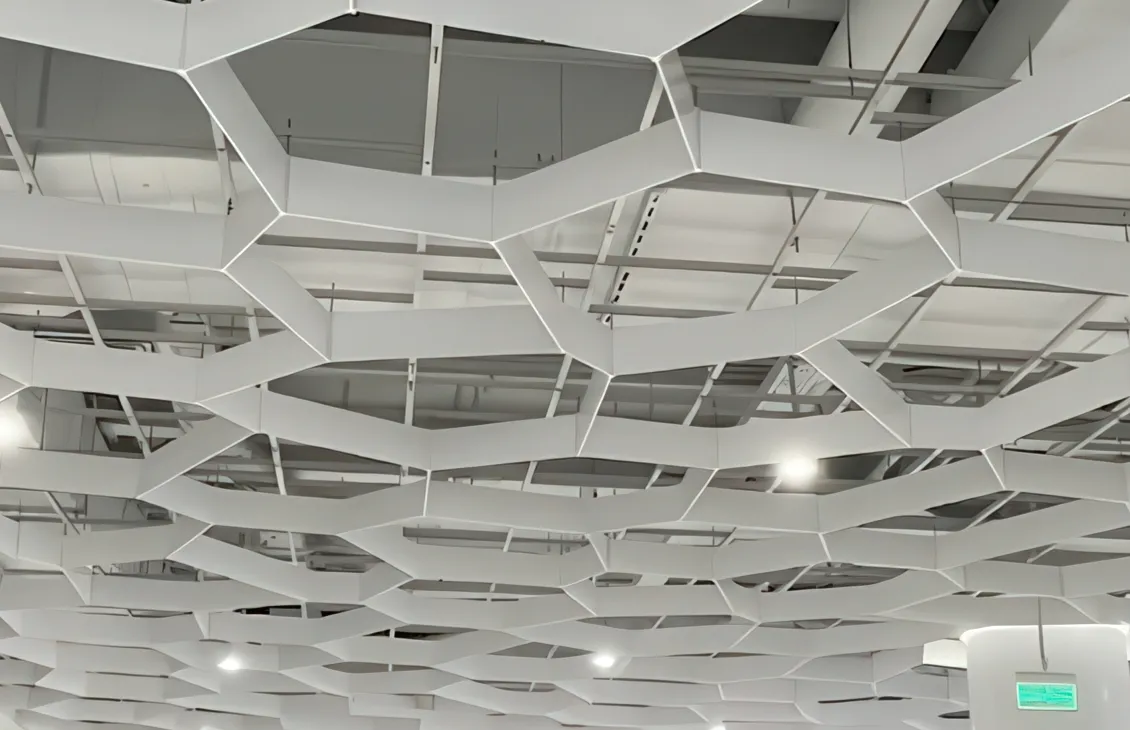
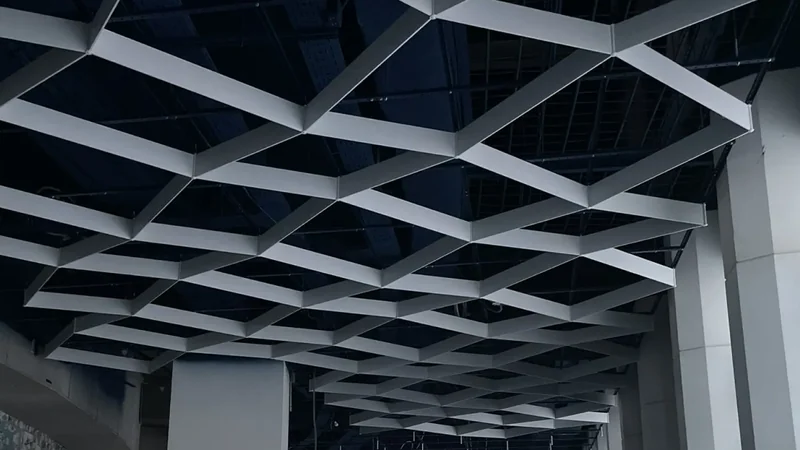
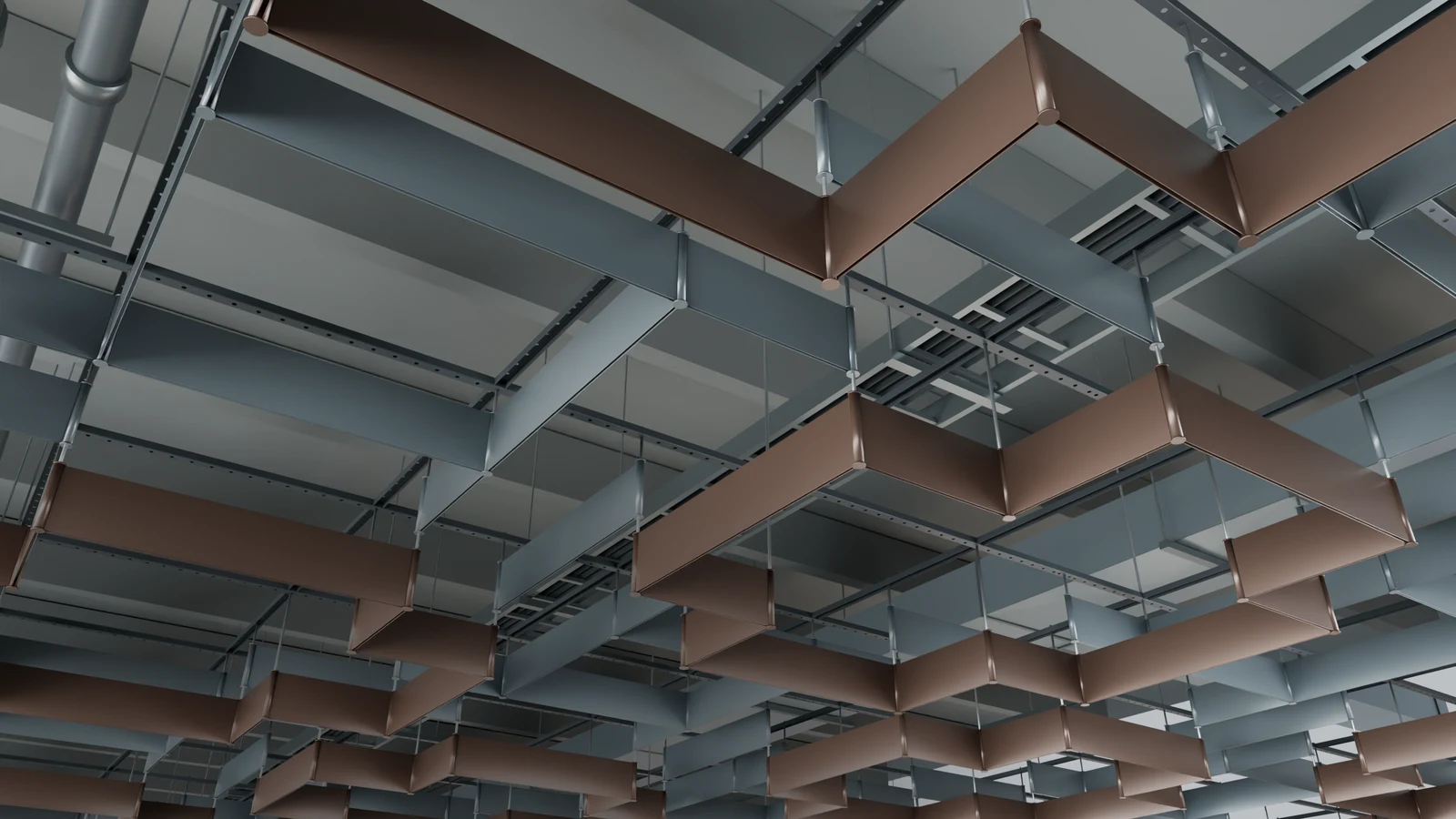
Illustrations for the article