When designing public spaces, the ceiling system has long ceased to be merely a decorative element. Today it directly influences the maintenance of engineering networks, the speed of technical access, the appearance of the space, and operational costs.
This is precisely why when choosing between a classic grille ceiling and a modern transformer ceiling, designers increasingly consider not only the visual effect, but also long-term practical efficiency.
If a facility is designed for intensive use, the difference between these solutions becomes especially noticeable within the first years of operation.
What a Grille Ceiling Is
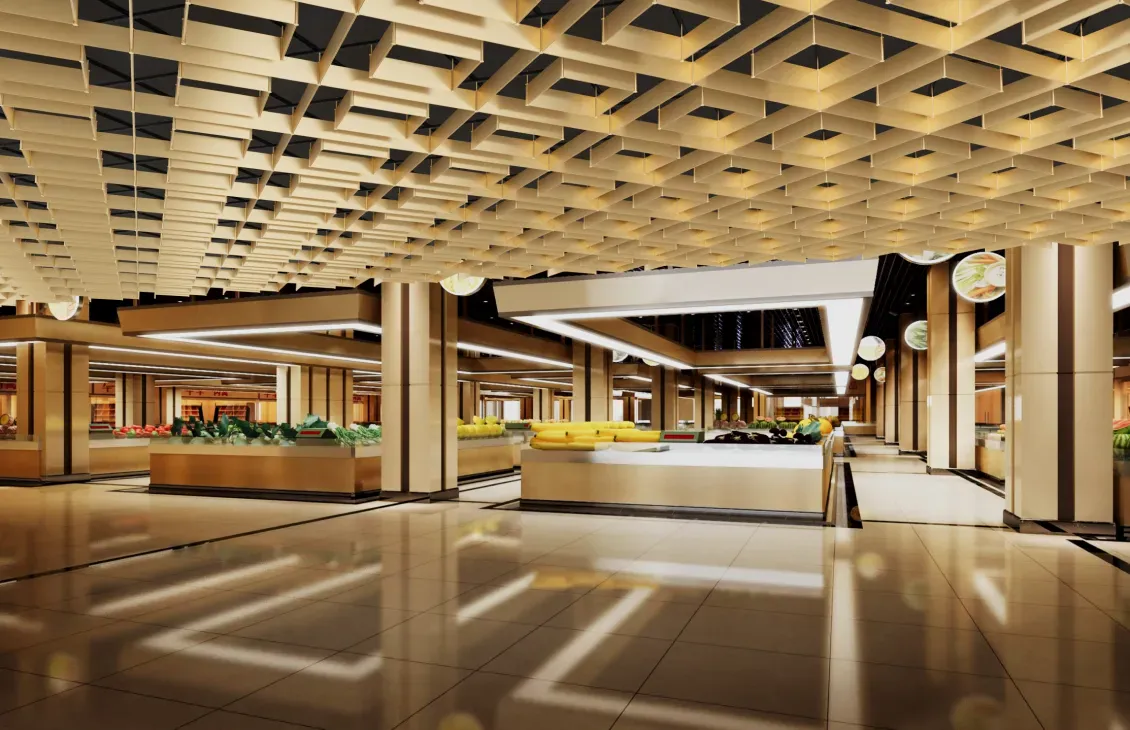
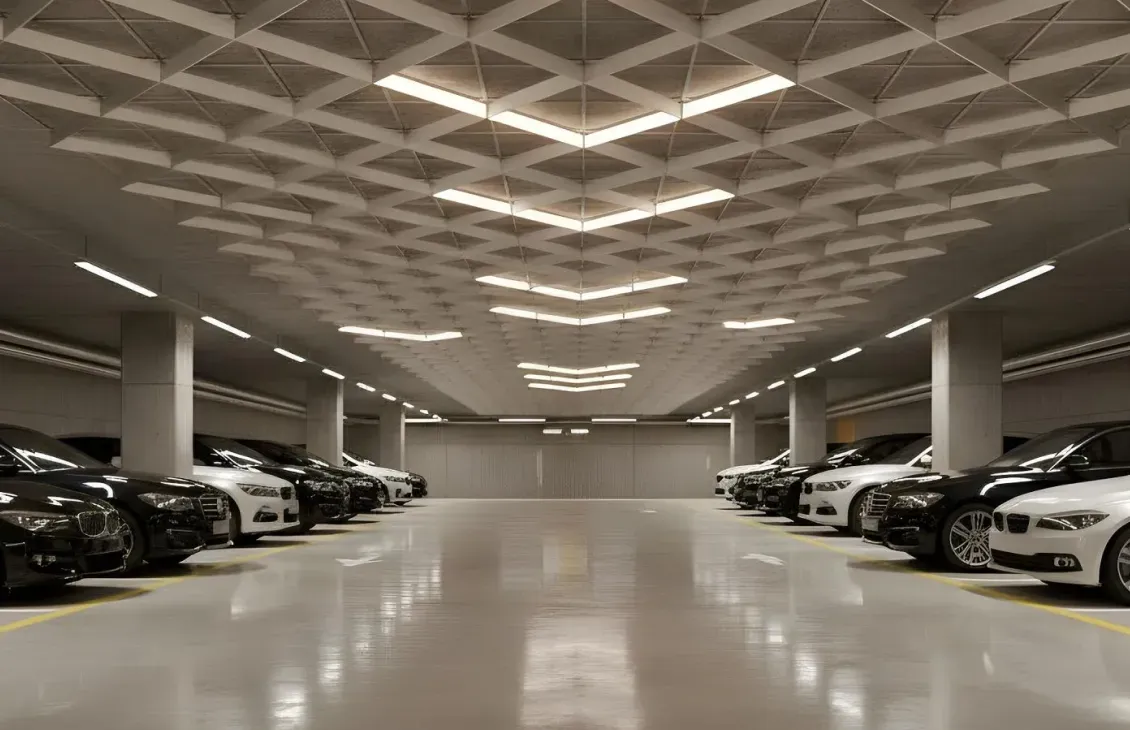
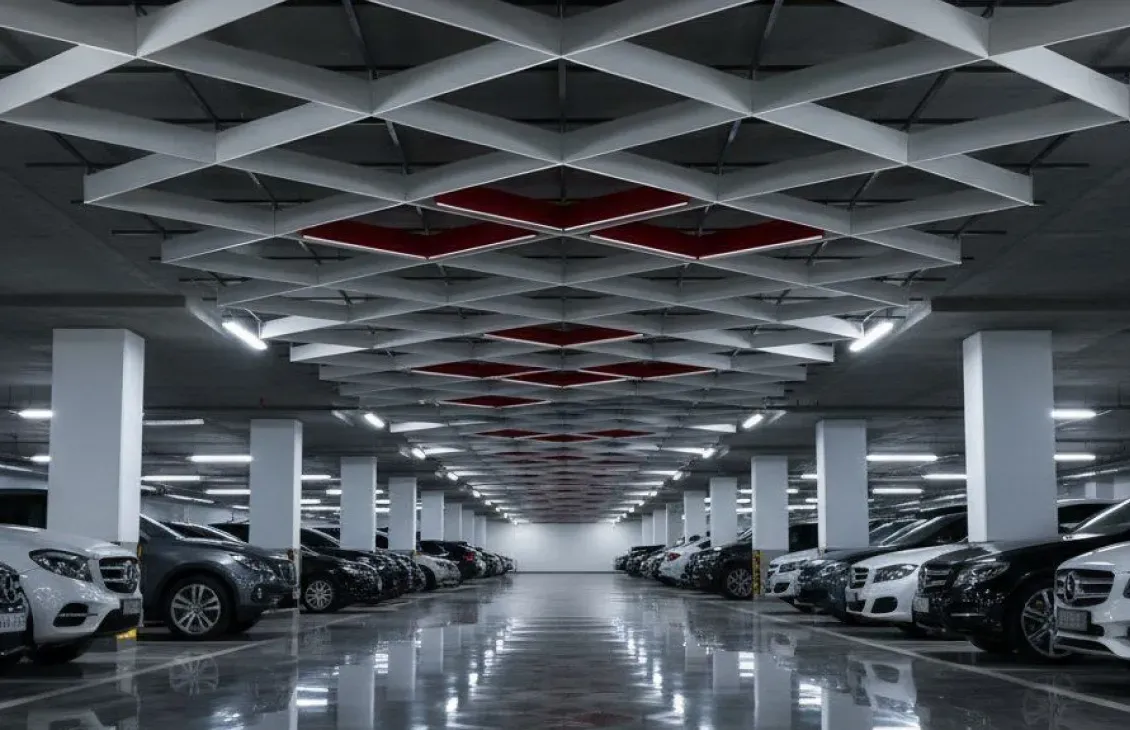
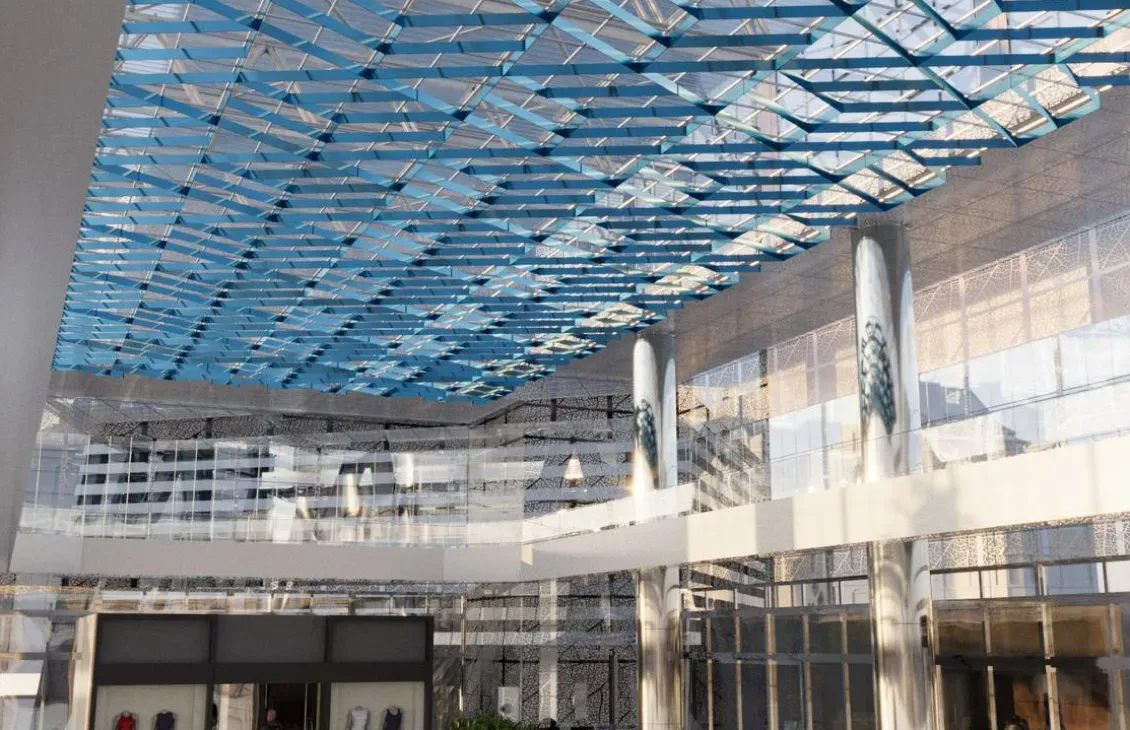
A grille ceiling is a modular cell-type ceiling construction made of aluminum profile. The key feature of the system is its open lattice structure, through which the engineering zone is partially visible.
This system is used in:
- shopping centers
- office buildings
- lobbies
- administrative facilities
- public corridors
The main advantage of a grille ceiling is visual lightness and a familiar architectural style.
However, this system has limitations that become apparent during regular operation.
What a Transformer Ceiling Is
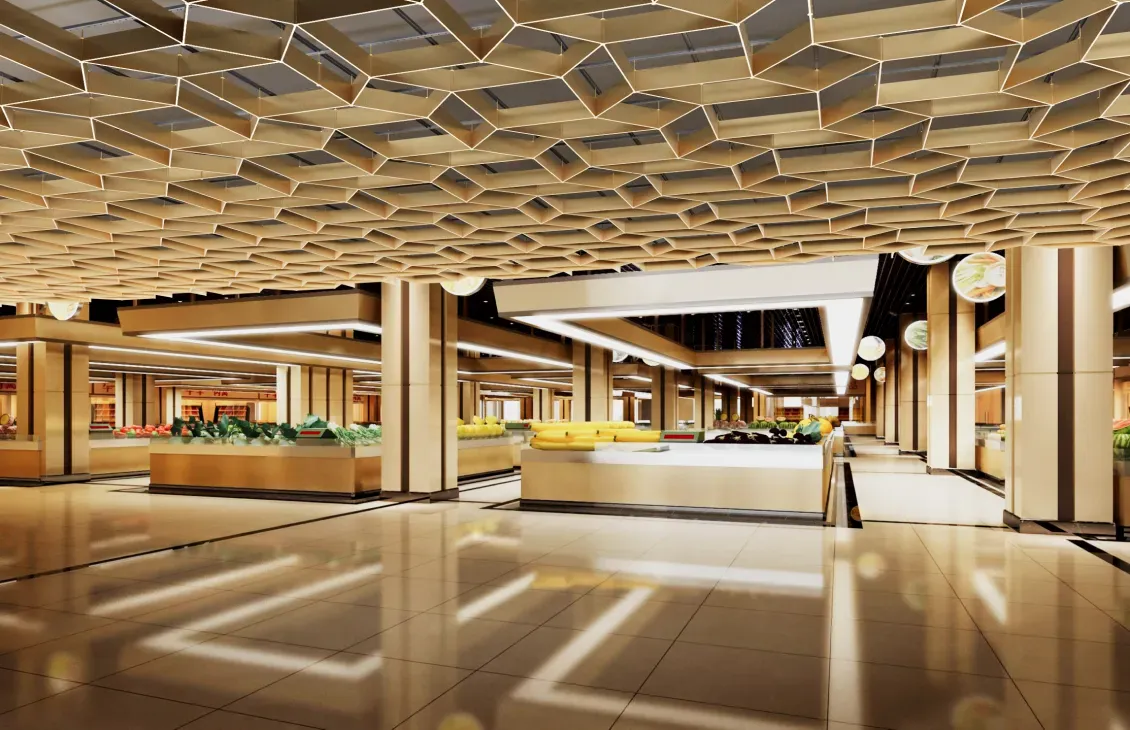
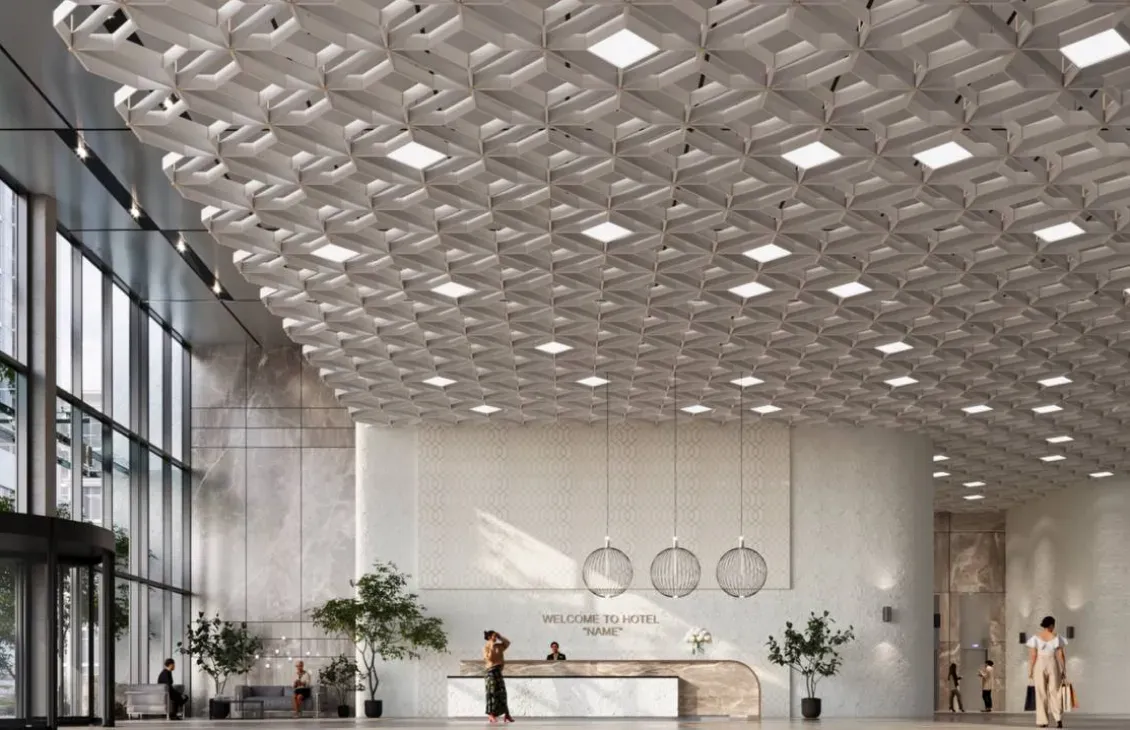
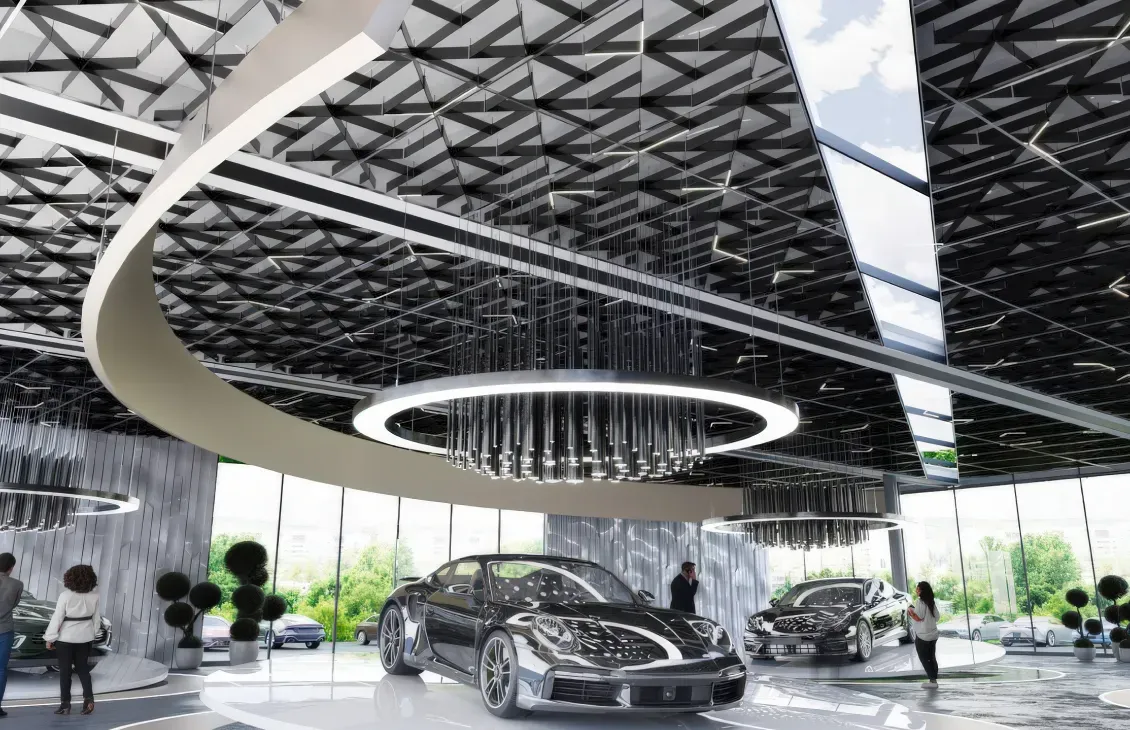
A transformer ceiling is a modern ceiling system where each section can be opened, removed, or repositioned without damaging the construction.
Unlike classic suspended solutions, convenient access to the engineering space is built in from the outset.
This is especially important where the following are constantly being serviced:
- ventilation lines
- cable routes
- lighting
- fire safety systems
- automation sensors
Why Access to Utilities Has Become Critically Important Today
On a modern facility, the ceiling is opened regularly.
Standard reasons include:
- replacing light fixtures
- ventilation maintenance
- cable network diagnostics
- equipment modernization
With a grille ceiling, local access often requires partial dismantling of a section.
With a transformer ceiling, the required zone opens immediately.
This is precisely where the key operational advantage arises.
Comparison of Ceilings by Installation and Ongoing Maintenance
Grille Ceiling:
- requires careful module assembly
- individual elements are susceptible to deformation
- reinstallation takes more time
Transformer Ceiling:
- designed for repeated opening
- panels retain their geometry
- maintenance is carried out more quickly
For large facilities, this influences not only convenience, but also direct operational costs.
Which Looks Better in a Modern Interior
From an architectural perspective, both solutions work differently.
A Grille Ceiling Provides:
- a defined modular grid
- a technical rhythm
- a familiar ceiling geometry
A Transformer Ceiling Allows:
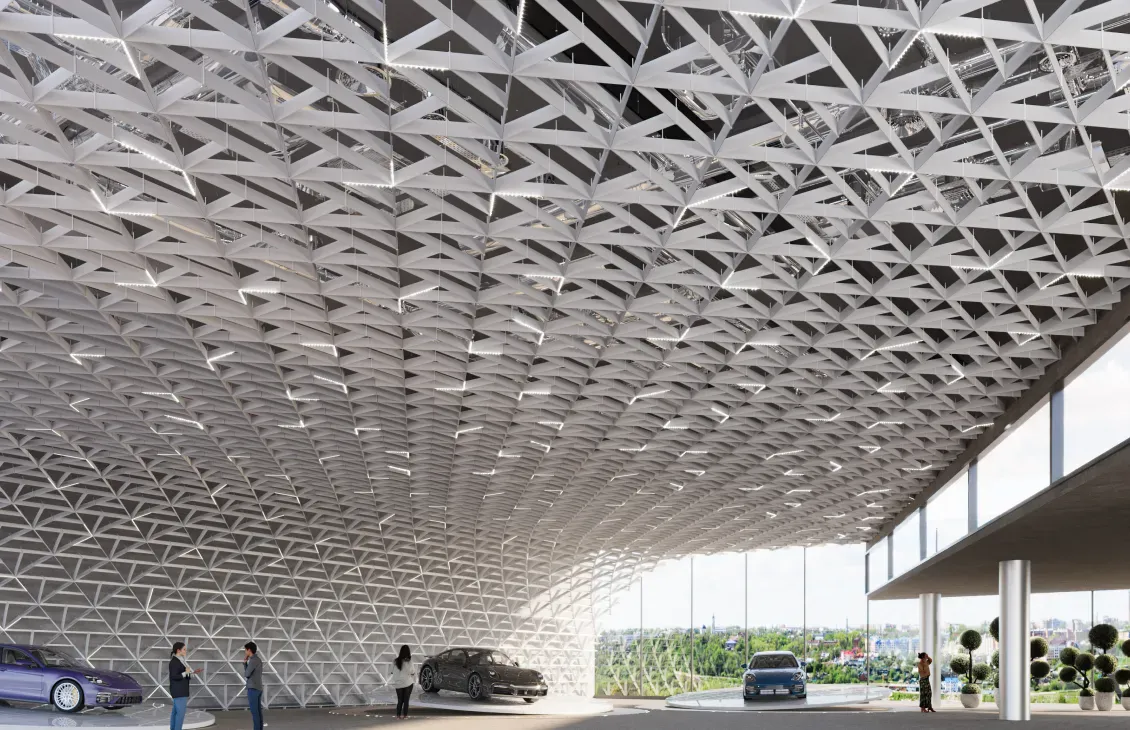
- complex ceiling scenarios to be created
- lighting to be integrated
- levels to be combined
- the ceiling to be adapted to the room's architecture
This is why flexible systems are increasingly chosen for new public spaces.
Where a Grille Ceiling Remains a Justified Solution
A grille ceiling works well where:
- a classic open ceiling is required
- maintenance occurs infrequently
- the engineering zone does not require frequent access
When a Transformer Ceiling Objectively Wins
If a facility is designed for a long service life and intensive technical operation, a transformer ceiling offers more practical advantages:
- faster maintenance
- lower risk of element damage
- simpler engineering system modernization
- greater spatial adaptability
Conclusion
Today, the choice of ceiling for a public facility is increasingly determined not only by aesthetics, but also by ease of operation.
If a familiar open ceiling pattern is required — a grille ceiling remains a workable solution.
If the priority is service, access, flexibility, and durability, a transformer ceiling becomes the more modern tool.