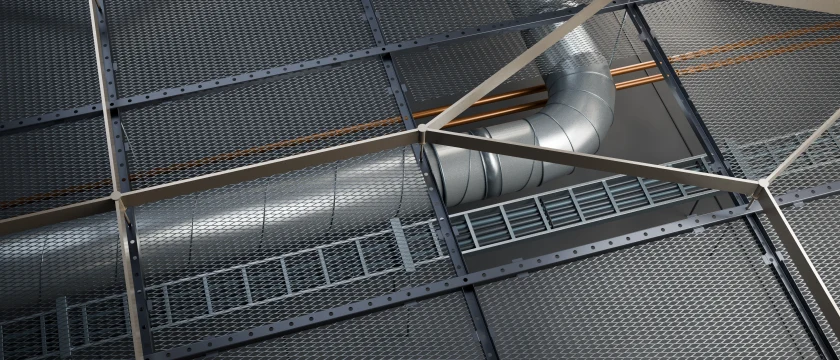
Using different types of coatings and colour solutions of ceiling systems: opportunities for designers and architects
Different types of ceiling coatings allow architects and designers to manage not only colour, but also texture, durability, light perception and performance of space. OptimusCity’s ceiling solutions include polymer coating, freeze printing and anodizing, which enhances the design of public and commercial facilities.
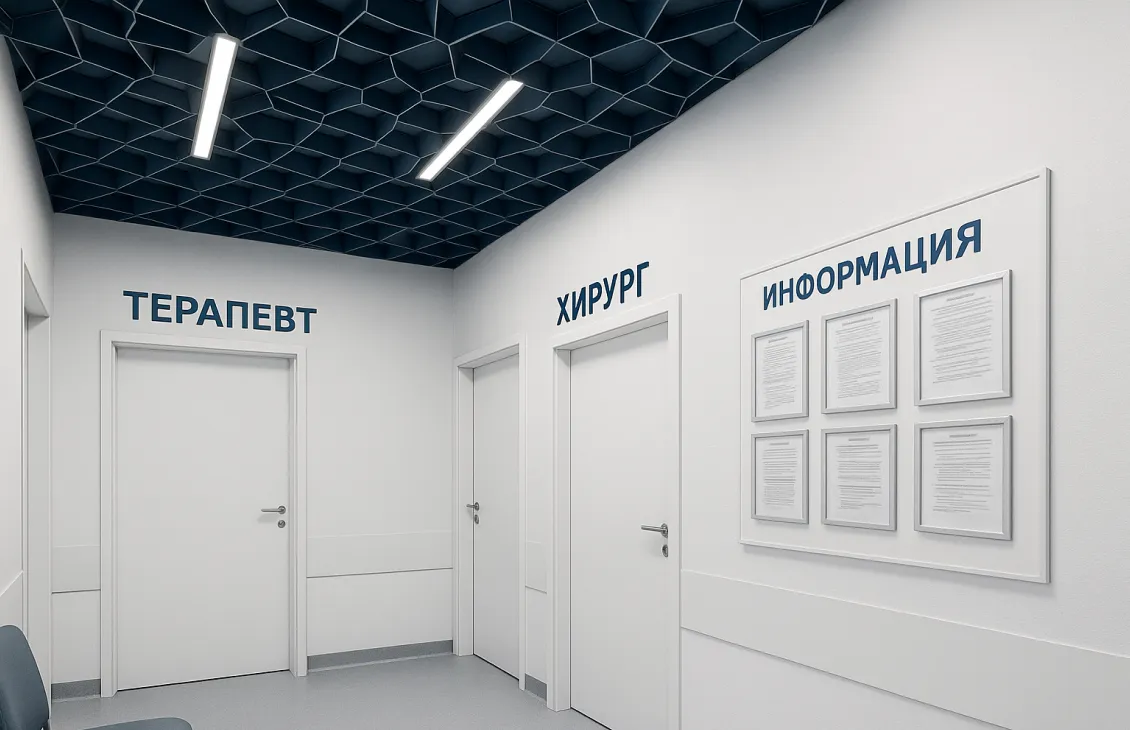
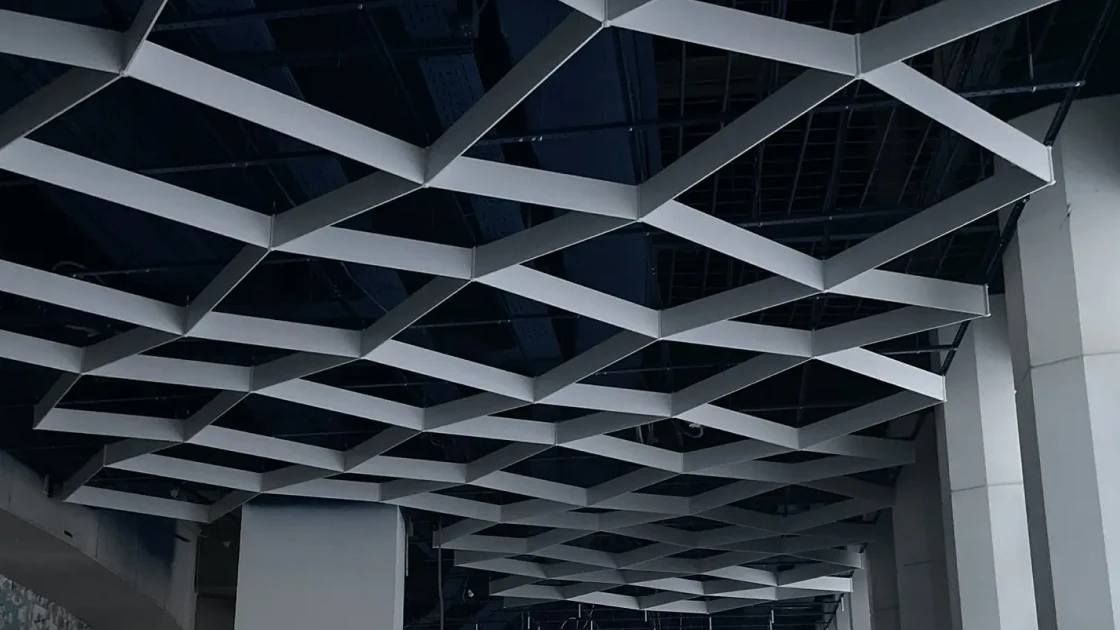
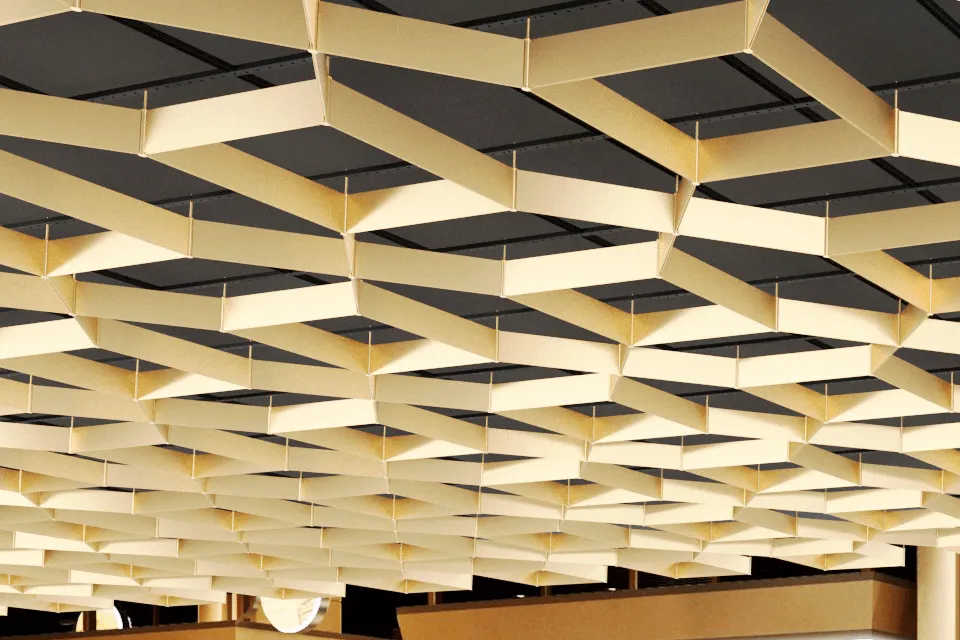
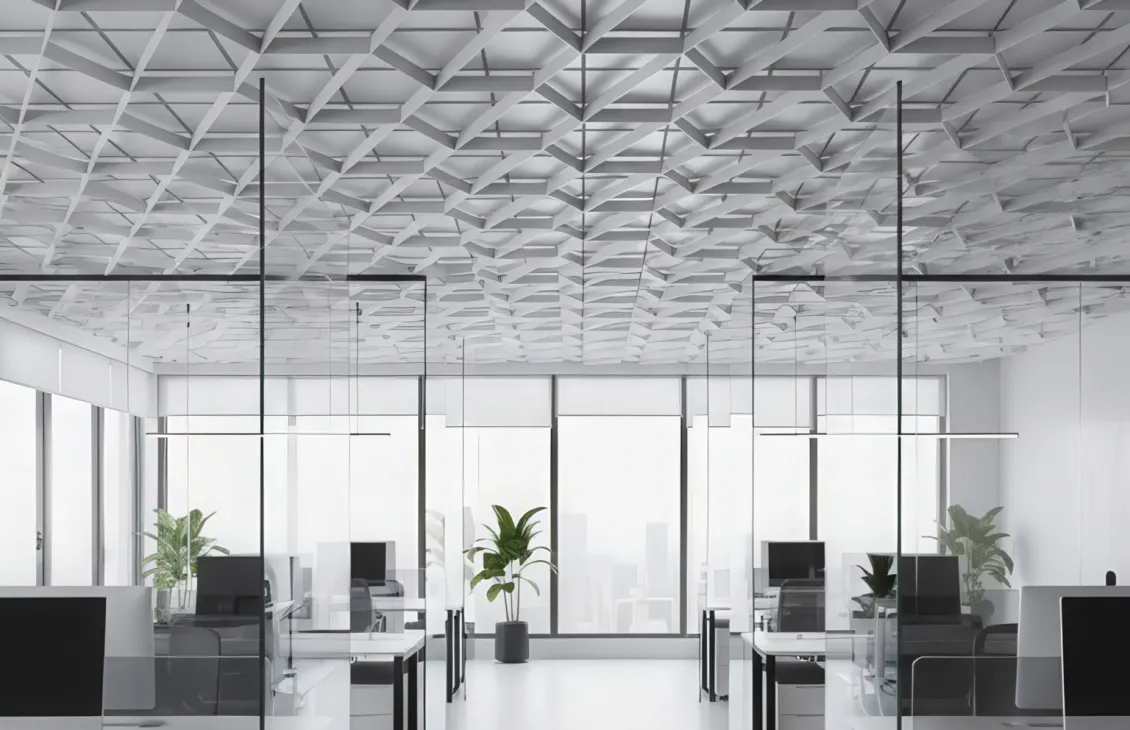
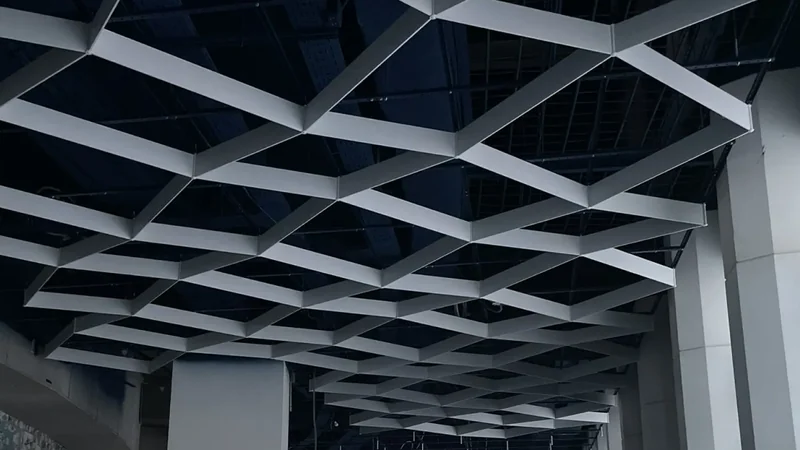
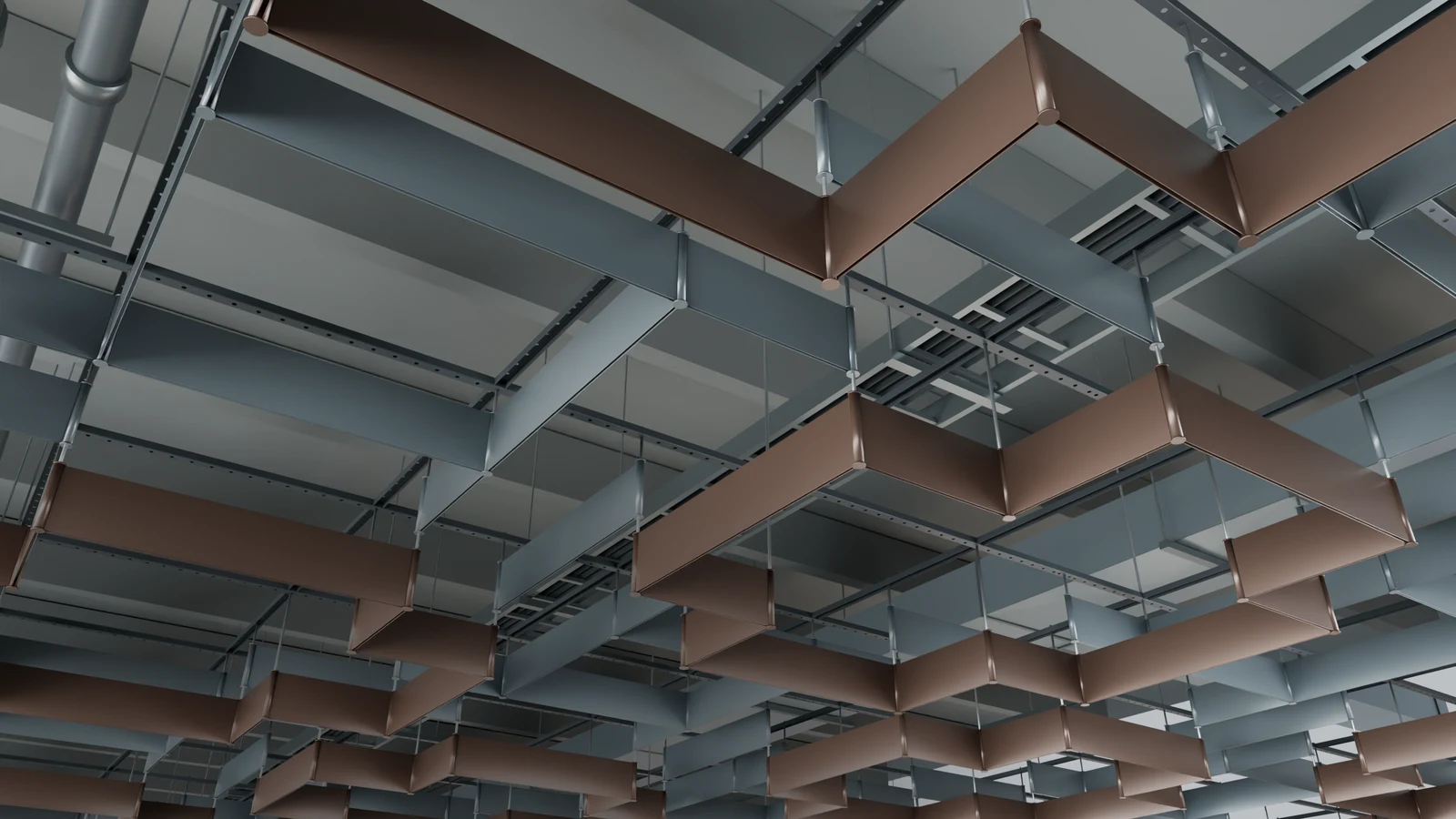
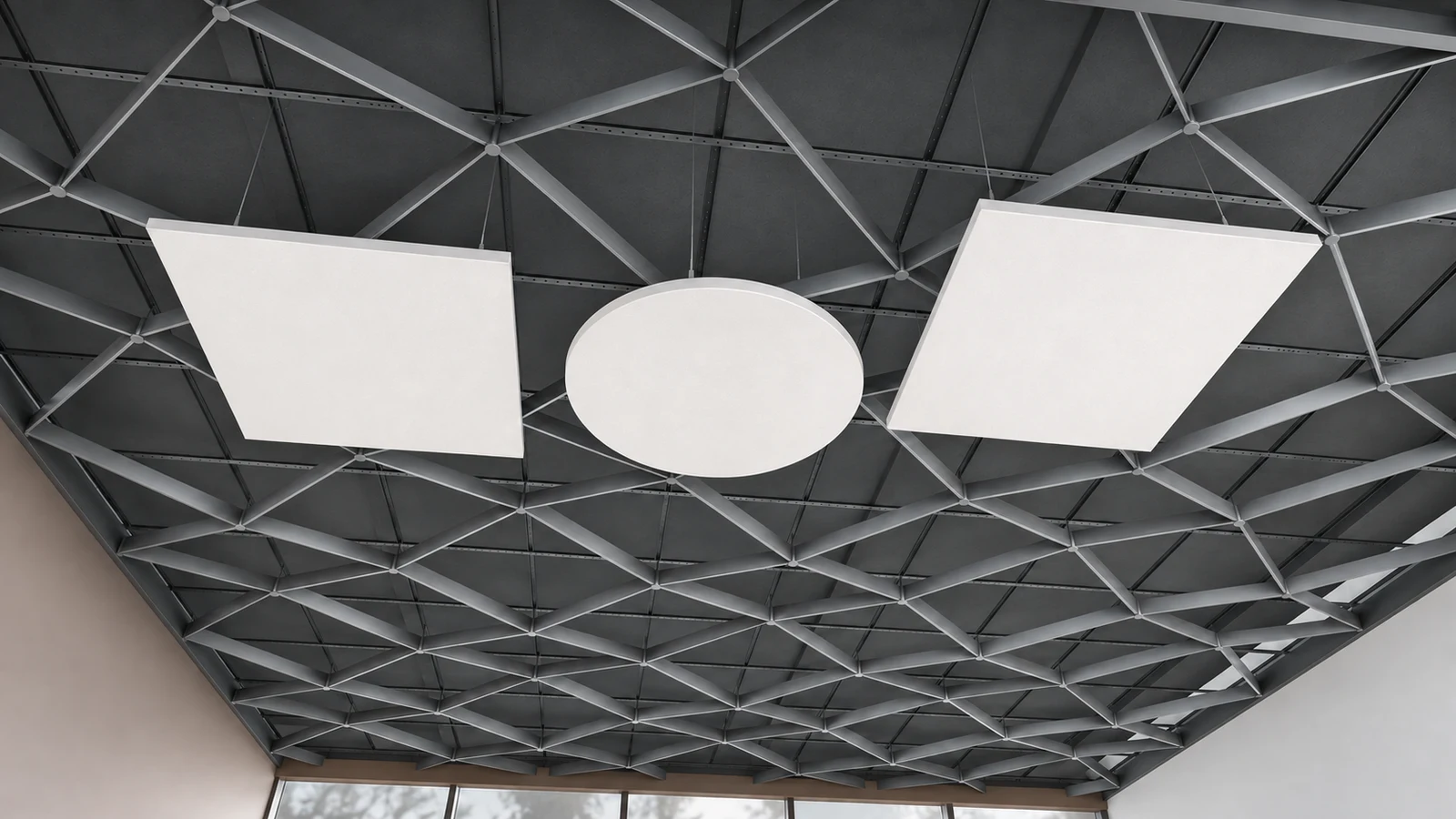
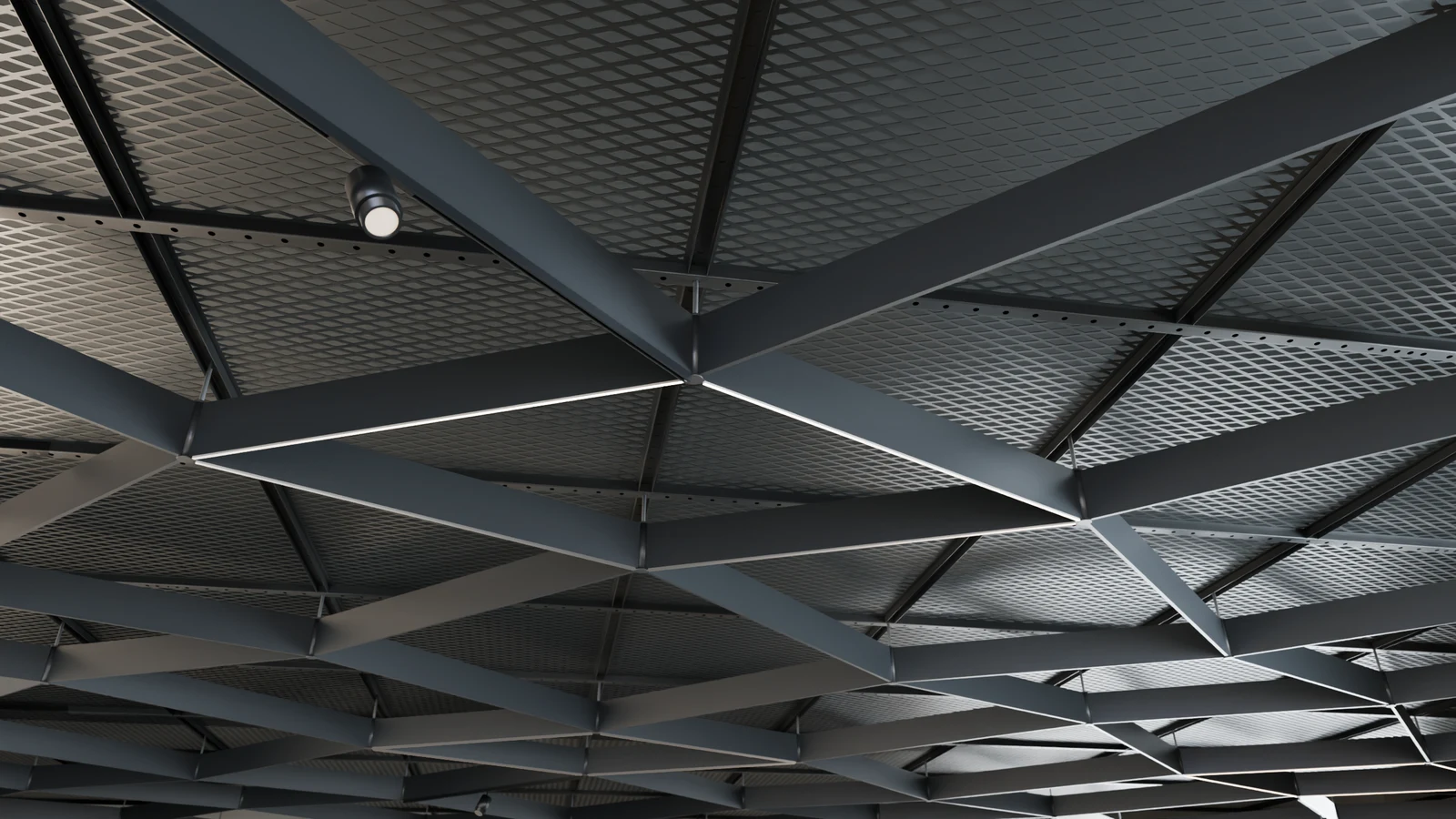
The modern ceiling system has long ceased to be only a technical design for concealing building services. In architectural projects, the ceiling becomes an independent tool of visual composition, affecting the perception of space, the light environment and the overall nature of the interior.
For architects and designers, not only the ceiling profile is increasingly important, but also the possibilities of its decorative and functional adaptation: colour, texture, the degree of reflection of light, the stability of the coating and compliance with the operational requirements of the object.
Ceiling systems OptimusCity allow you to work with the coating as a full-fledged architectural tool thanks to several surface treatment technologies and a full palette of colour solutions.
Why Ceiling Became Part of Architectural Design
The type of coating affects not only the appearance of the ceiling, but also its behavior in operation.
From the selected technology depend on:
- resistance to abrasion;
- reaction to humidity;
- resistance to ultraviolet light;
- durability of colour;
- visual depth of the surface.
Therefore, the coating is selected already at the design stage of the object.
Polymer coating: a universal basis for most projects
Powder polyester painting remains one of the most sought-after solutions in ceiling systems due to its combination of stability and architectural flexibility.
The quality of the coating is determined not only by the paint itself, but also by the technology of metal preparation.
The key importance is:
- chemical preparation of aluminium;
- precise application regimen;
- Proper polymerization of the coating.
For the designer, it's like,:
- any shade on the palette of RAL;
- Colour stability on large batches;
- resistance to moisture and household chemicals;
- durability during intensive operation.
Polymer coating is especially in demand in offices, hotels, retail spaces and public interiors.
Sublimation Printing: Architectural Texture and Visual Individuality
Sublimation printing allows you to transfer the texture directly into the coating structure, rather than applying it as an external decorative layer.
As a result, the surface receives high detail and resistance to operation.
The technology allows you to create:
- wood textures;
- stone effect;
- concrete surfaces;
- metal invoices;
- individual graphical solutions.
The advantage of the technology is high image detail and resistance to burnout.
Such ceilings are especially in demand in:
- HoReCa;
- branded spaces;
- corporate interiors;
- Author's architectural projects.
Anodizing and satination: a solution for complex operation and premium architecture
Anodizing creates a protective layer that is chemically bonded to the surface of aluminium.
This ensures:
- high mechanical resistance;
- resistance to humid environment;
- resistance to reagents;
- durability of the visual effect.
Satination additionally forms a soft matte surface, in demand in modern architecture.
Such coatings shall be used in:
- medical facilities;
- laboratories;
- pools;
- transport facilities;
- technological spaces.
RAL Colour System as a Tool for Architectural Accuracy
The full RAL palette allows you to integrate the ceiling into the exact concept of the project.
This makes it possible:
- maintain a corporate identity;
- Repeat colour solutions for long deliveries;
- Use the ceiling as a zoning element.
A single colour of panels and subsystems is especially important in open-ceiling projects.
Where different coatings are disclosed most effectively
- shopping complexes and galleries;
- business centres;
- hotels;
- restaurants and cafes;
- medical institutions;
- sports complexes;
- SPA spaces.
In each of these cases, the coating affects not only the aesthetics, but also the operational stability of the structure.
The ceiling as a full-fledged element of architectural composition
Correctly chosen coating changes the perception of space: enhances the architectural rhythm, supports the light environment and helps to form the individual character of the object.
OptimusCity It allows you to use the ceiling system as an accurate tool for architectural design – from a technical task to the visual emphasis of the space.