Reconfigurable ceiling or open-cell grid: which option is more practical today
The reconfigurable ceiling and the open-cell grid solve different problems in public spaces, and this article examines which ceiling system is more user-friendly, easier to maintain and more efficient for modern commercial facilities.
In the design of public spaces, the ceiling system has long ceased to be only a decorative element, and today it directly affects the maintenance of building services, the speed of technical access, the appearance of the room and operating costs.
This is why we choose between the classical open-cell grid ceiling modern transformer-ceil Designers are increasingly considering not only visual effects, but also long-term practical effectiveness.
If the facility is designed for intensive operation, the difference between these solutions becomes especially noticeable in the first years of use.
What is the ceiling of the open-cell grid?
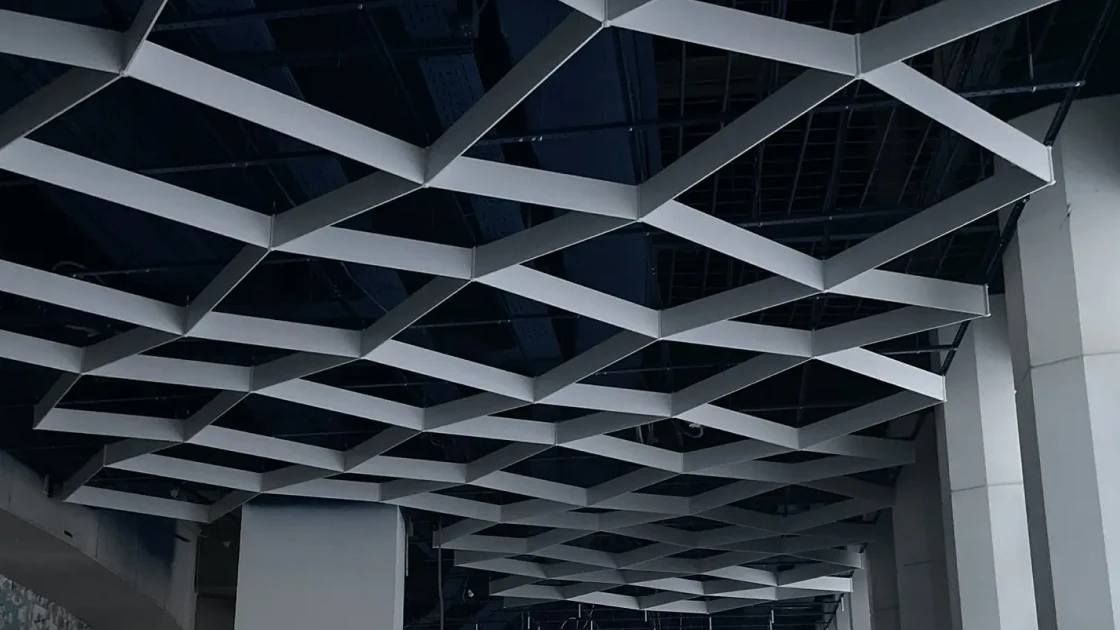
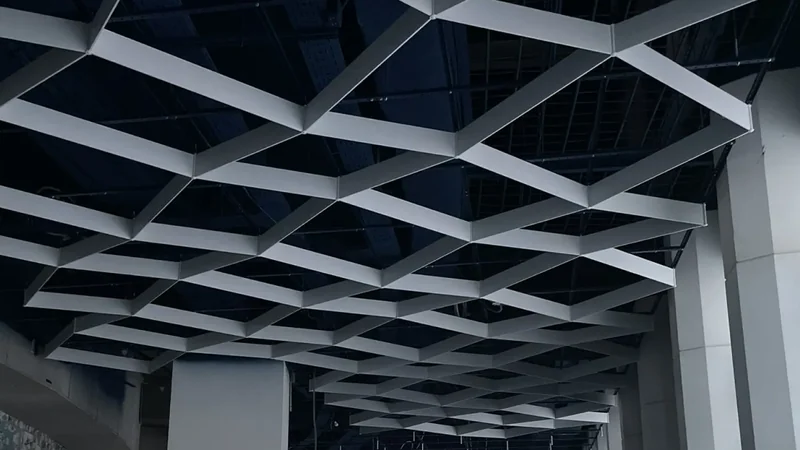
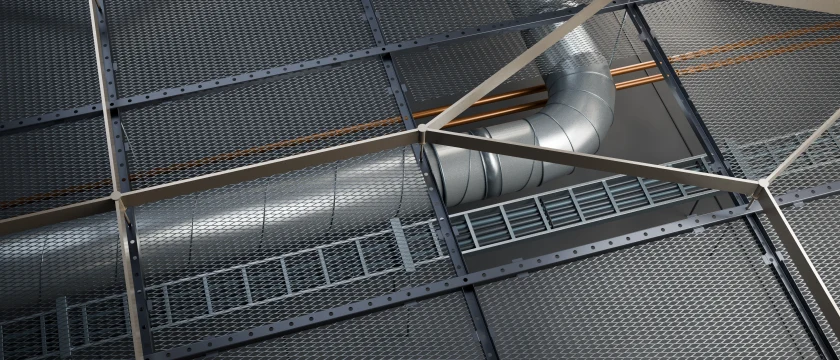
The Open-cell grid is a modular mesh ceiling structure made of aluminium profile, and the main feature of the system is an open lattice structure through which the engineering area is partially viewed.
Such a system shall be used in:
- shopping-centre
- office-house
- hallach
- administrative facilities
- public corridor
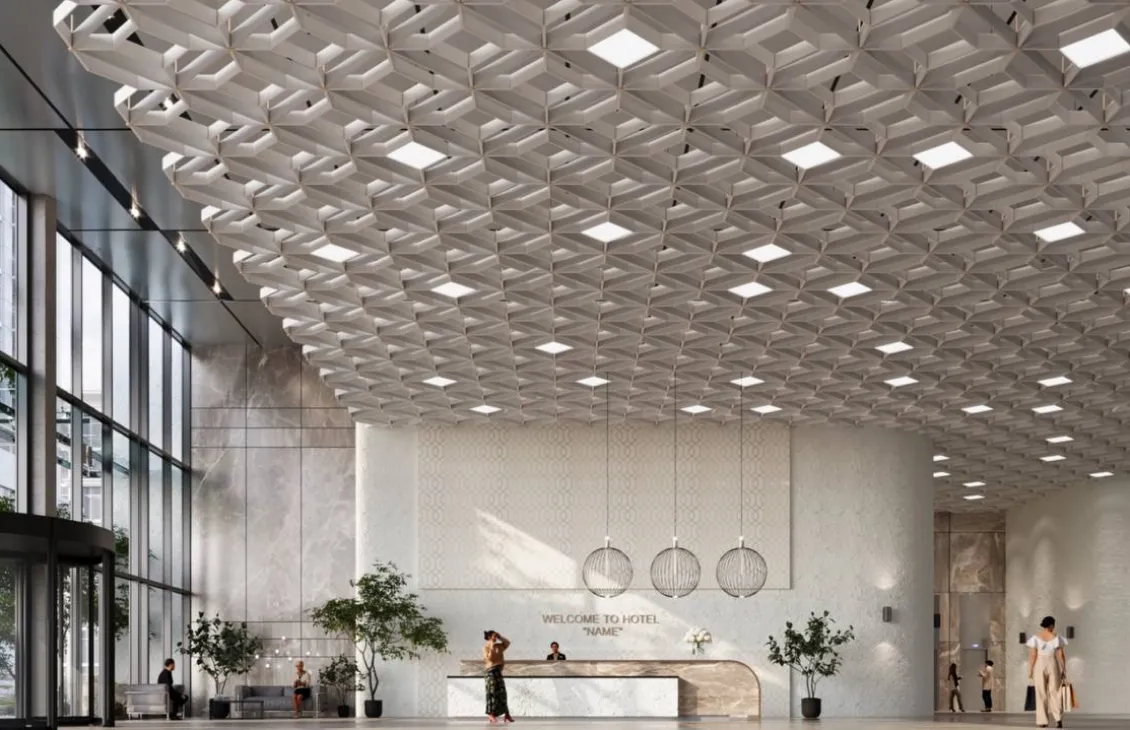
The main advantage of the open-cell grid is its visual lightness and familiar architectural style.
But this system has limitations that become noticeable with regular operation.
What is a reconfigurable ceiling?
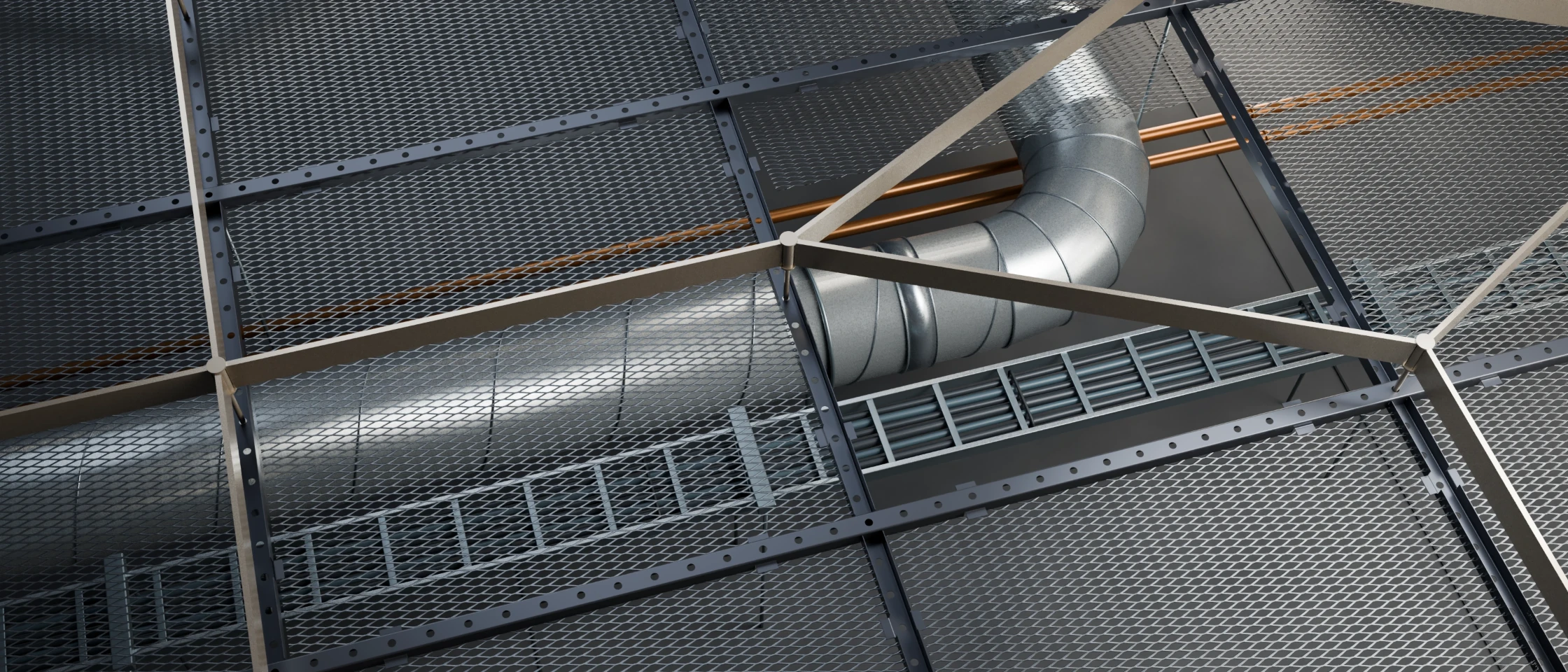
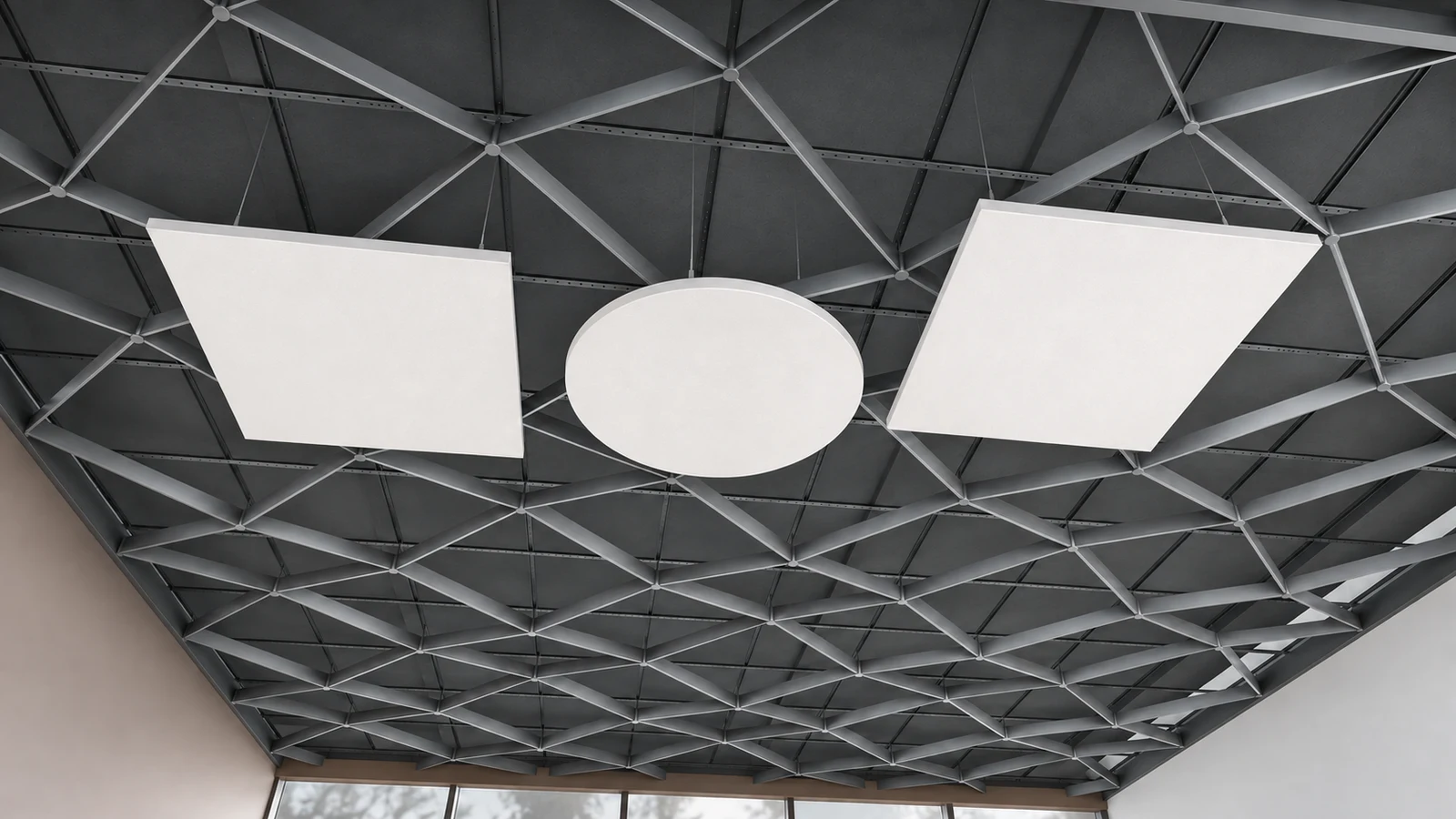
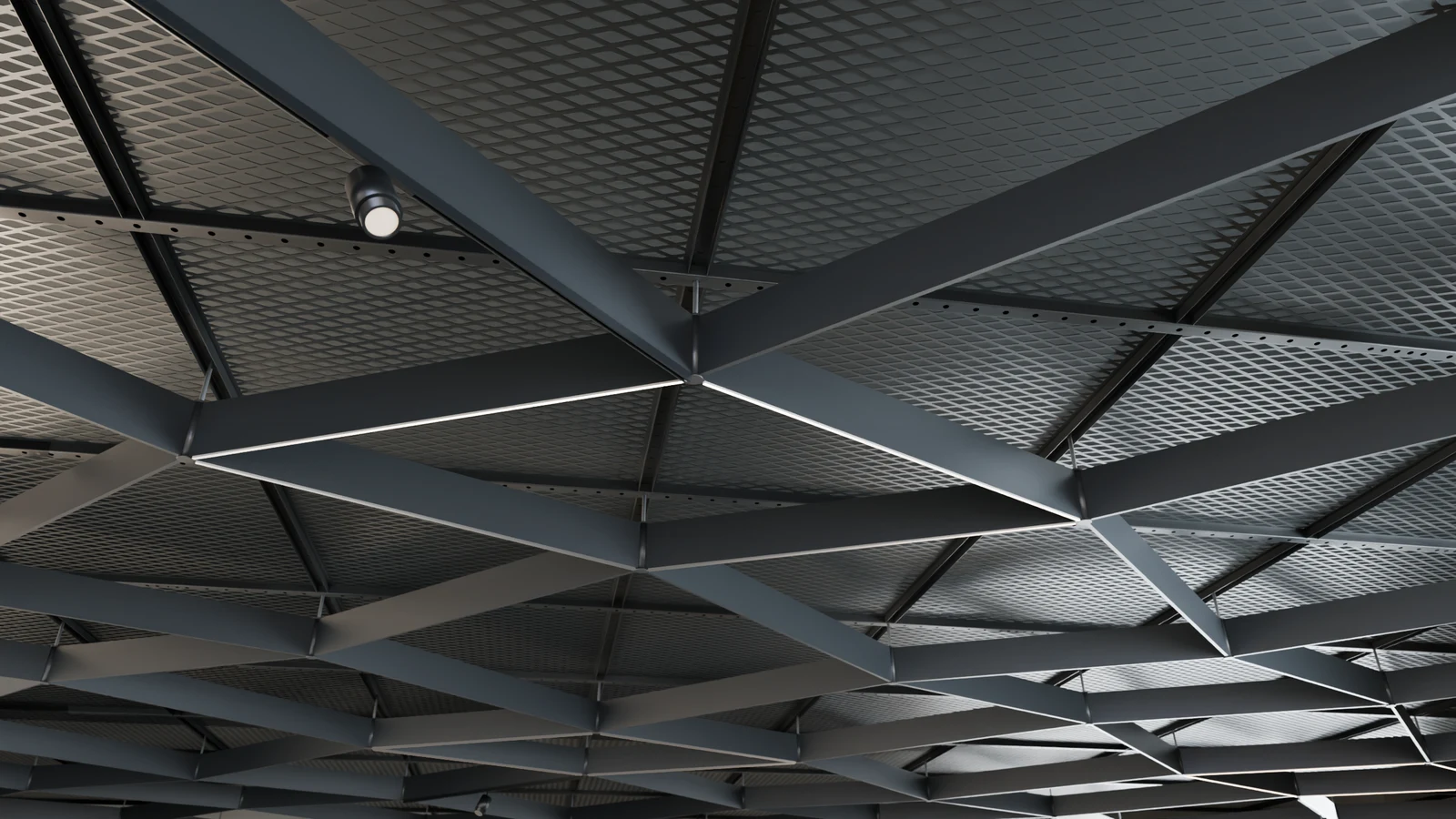
A reconfigurable ceiling is a modern ceiling system where each section can be opened, removed or moved without damaging the structure.
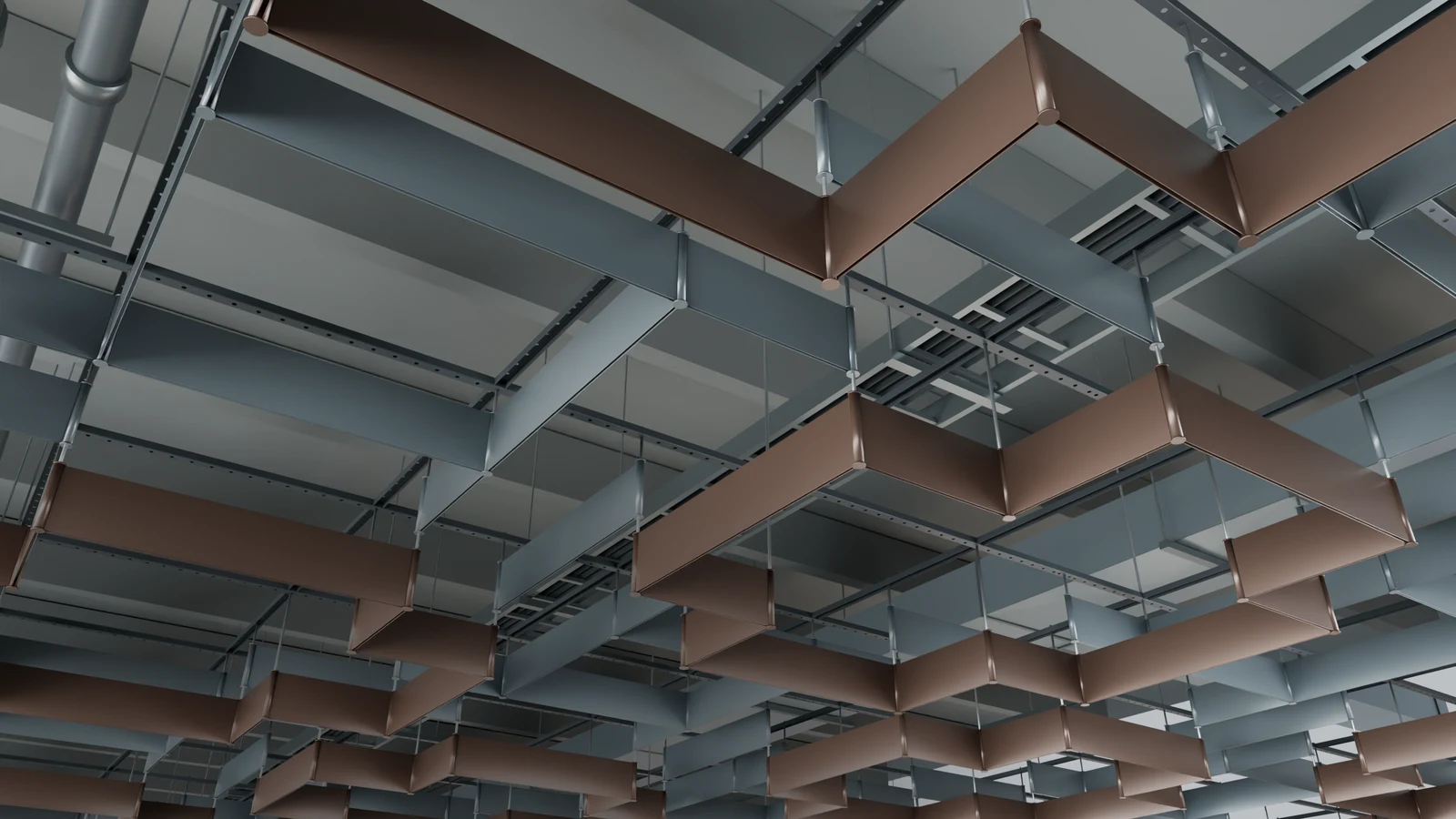
Unlike the classic suspension solutions, it initially provides convenient access to the engineering space.
This is especially important where:
- ventilator
- cableway
- lightning
- fire safety systems
- sensors
Why Access to Communication Is Now Critical
At the modern facility, the ceiling is regularly opened.
The reasons are standard:
- fixture
- ventilation
- diagnostics
- equipment upgrade
In a open-cell grid, local access often requires partial disassembly of the site.
At the reconfigurable ceiling, the desired zone opens immediately.
This is where a key operational advantage emerges.
Comparison of ceilings for installation and further maintenance
Open-cell grid ceiling:
- Requires careful assembly of modules
- Some elements are sensitive to deformation
- Re-installation takes longer
Reconfigurable ceiling:
- multiple-opening
- The panels retain geometry
- maintenance is carried out faster
For large facilities, this affects not only convenience, but also direct operating costs.
What looks better in a modern interior
From an architectural point of view, both solutions work differently.
Open-cell grid gives:
- grid-line
- rhythm
- ceiling-geometry
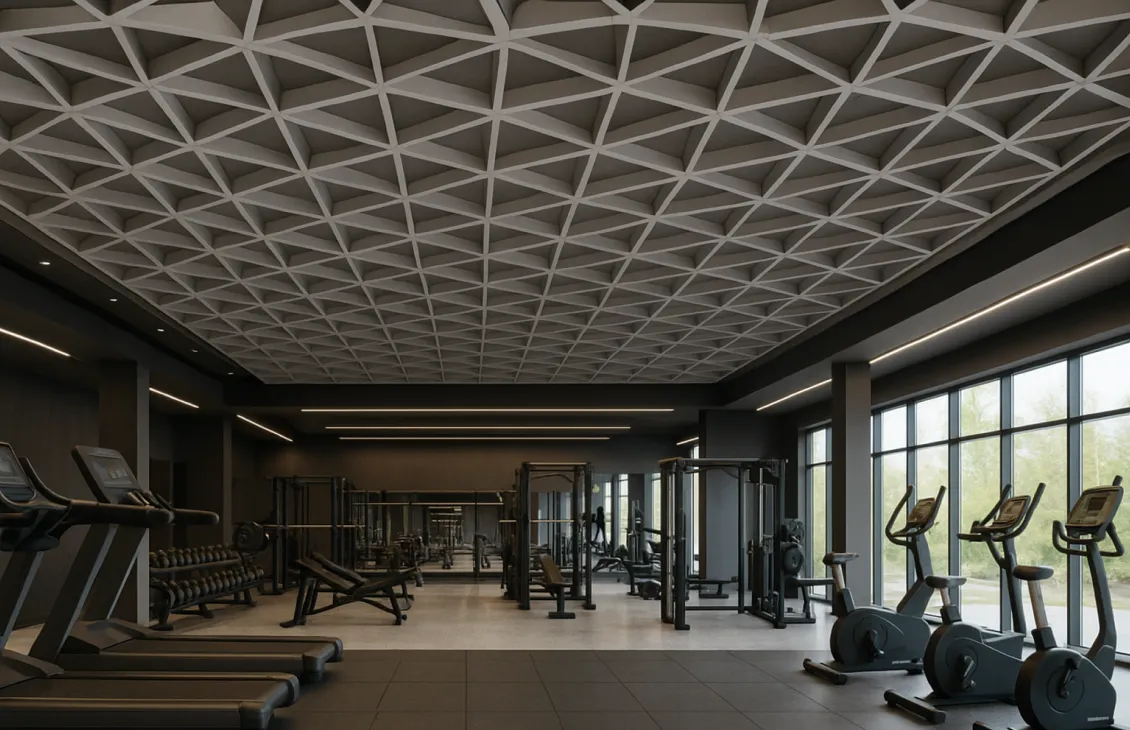
The reconfigurable ceiling allows:
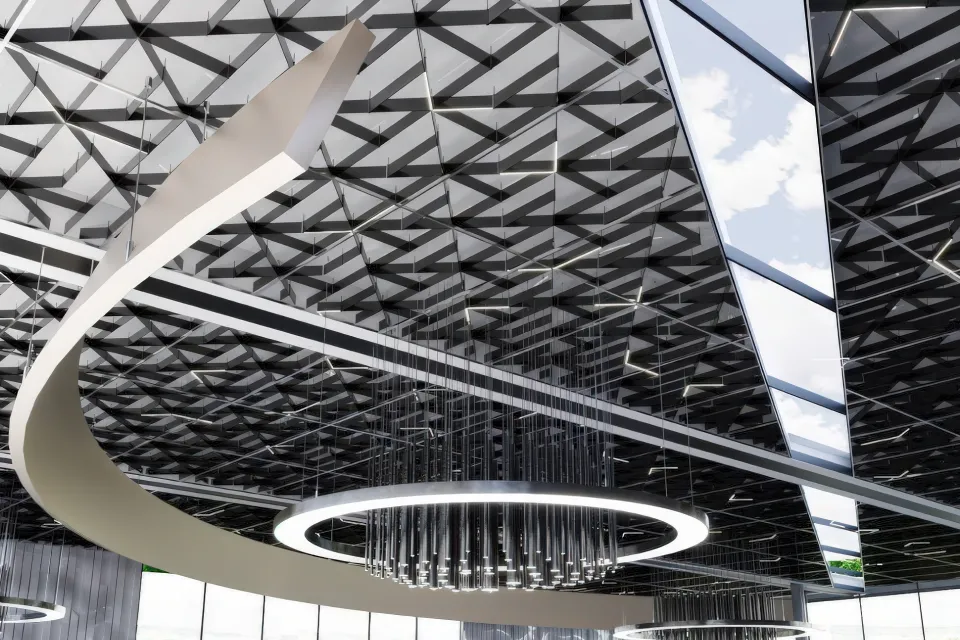
- construct complex ceiling scenarios
- lighting
- combine
- adapt the ceiling to the architecture of the room
Therefore, in new public spaces, flexible systems are increasingly being chosen.
Where the open-cell grid remains a justified solution
Open-cell grid works well where:
- You need a classic open ceiling
- maintenance is rare
- Engineering area does not require frequent access
When the reconfigurable ceiling objectively wins
If the object is designed for a long time and involves intensive technical operation, the reconfigurable ceiling gives more practical advantages:
- quicker
- less risk of damage to elements
- Easier to upgrade engineering systems
- higher adaptability of space
Conclusion
Today, the choice of ceiling for a public object is increasingly determined not only by aesthetics, but also by ease of operation.
If you need the usual open ceiling pattern – open-cell grid remains a working solution.
If service, access, flexibility and durability are the priority, the reconfigurable ceiling becomes a more modern tool.
Illustrations for the article