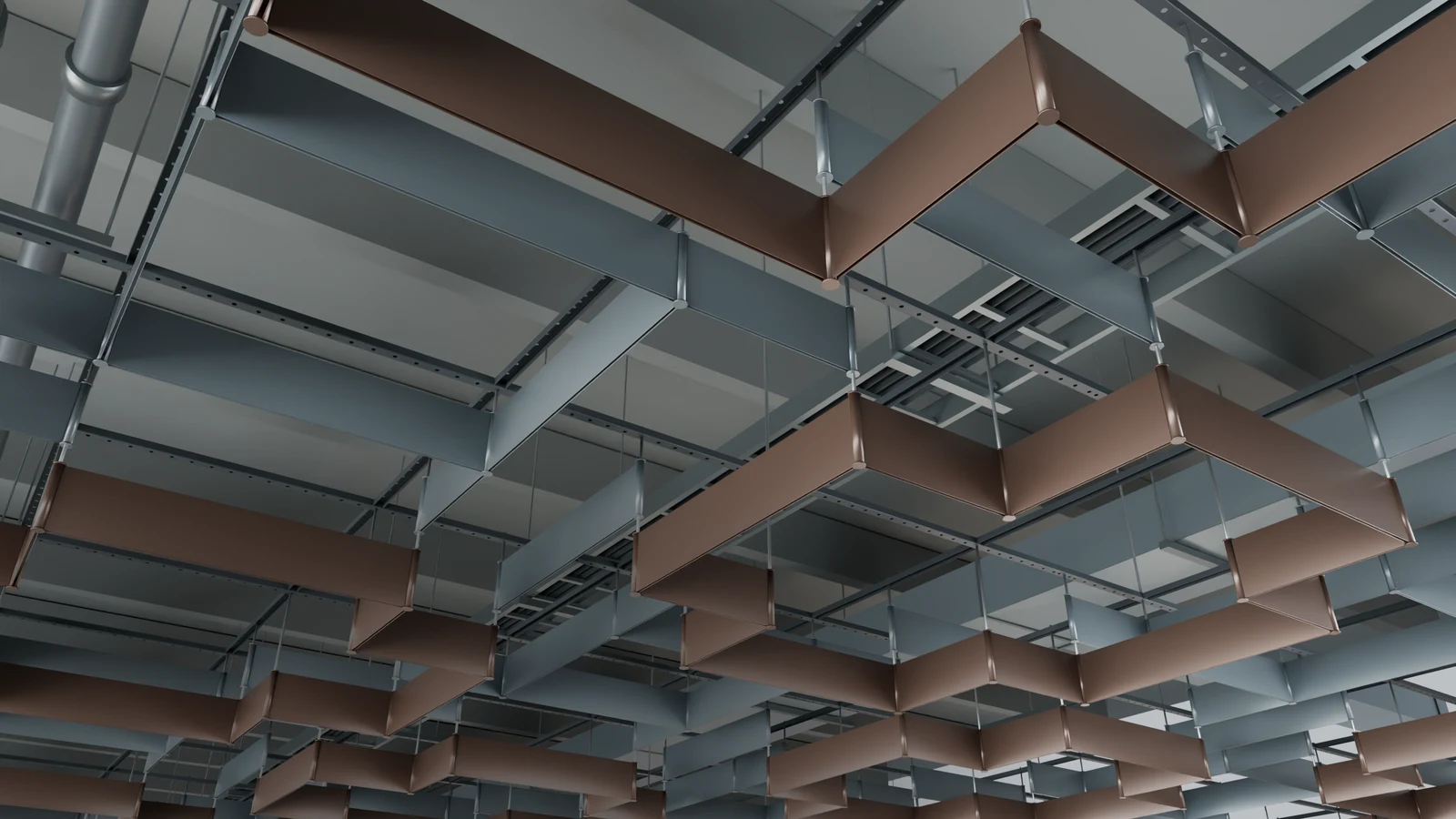
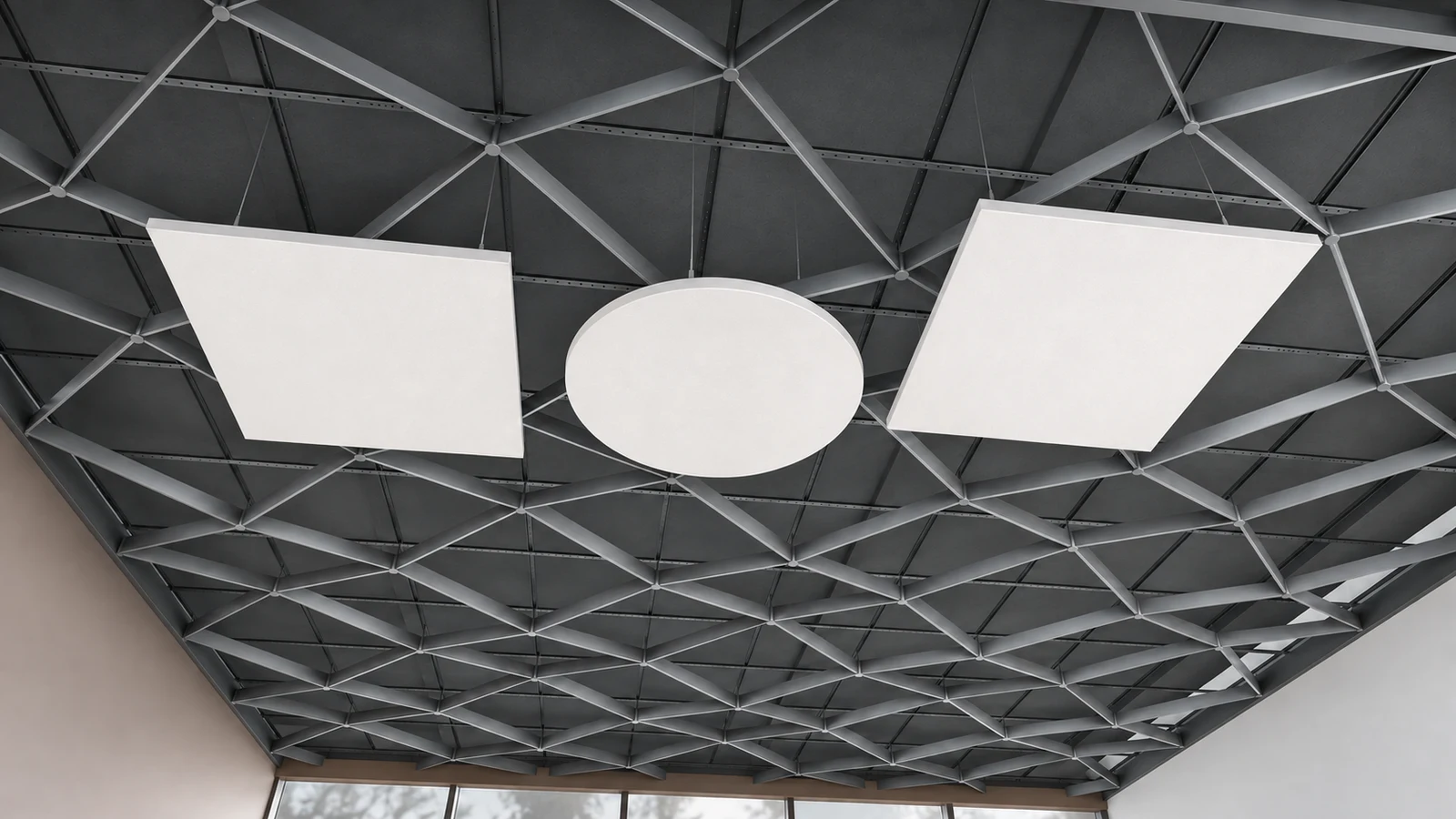
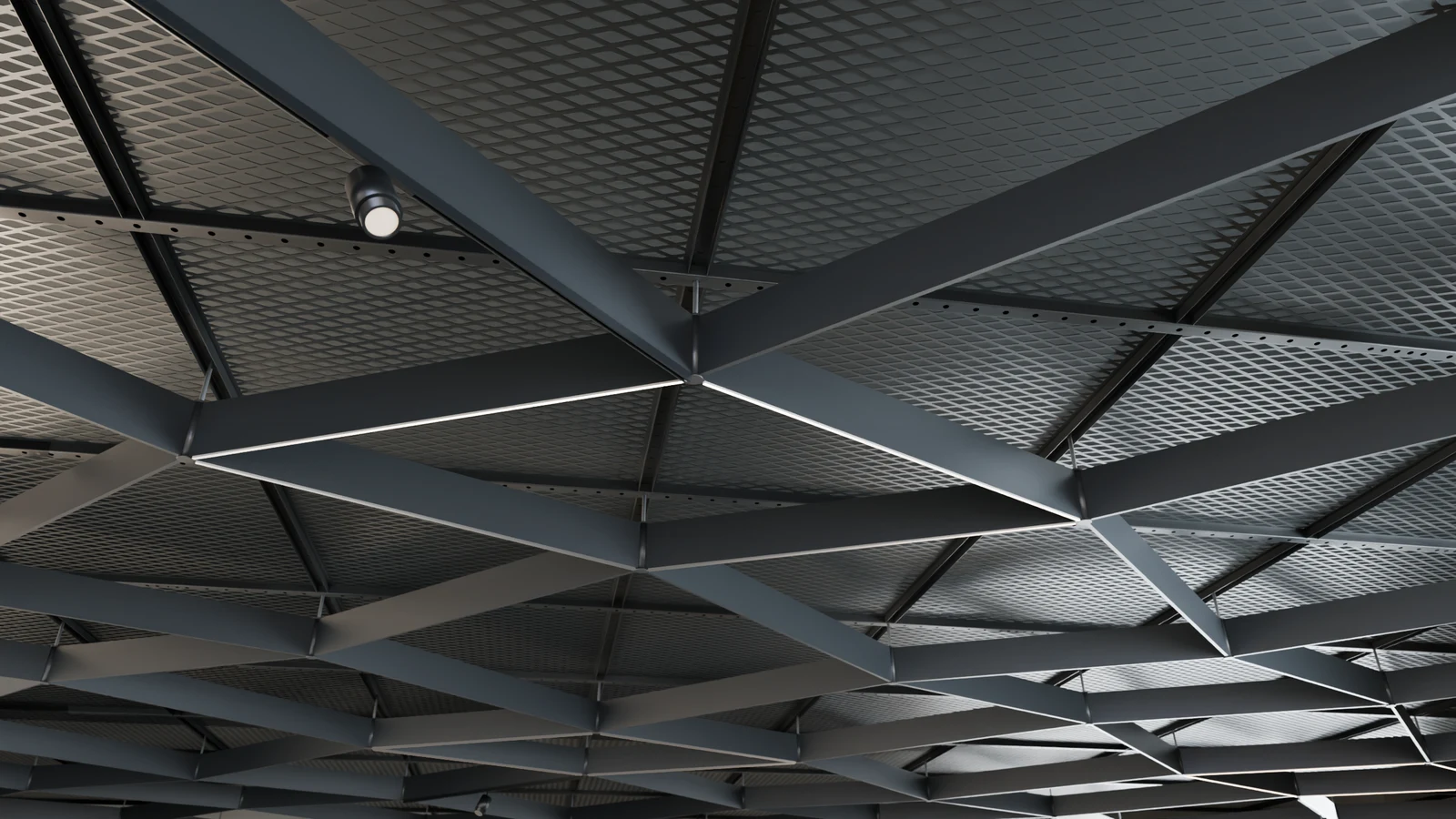
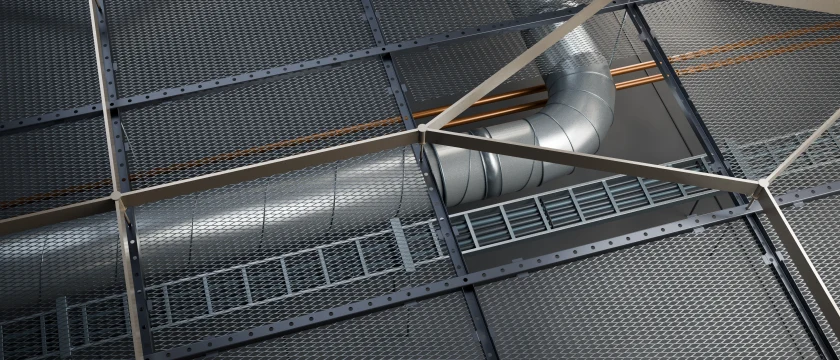
Mini, Midi or Maxi: why the width of the ceiling element affects the entire interior
We analyze the differences between the Mini, Midi and Maxi series: the width of the elements, visual effect, application in the interior and the choice of a ceiling system for a specific object.
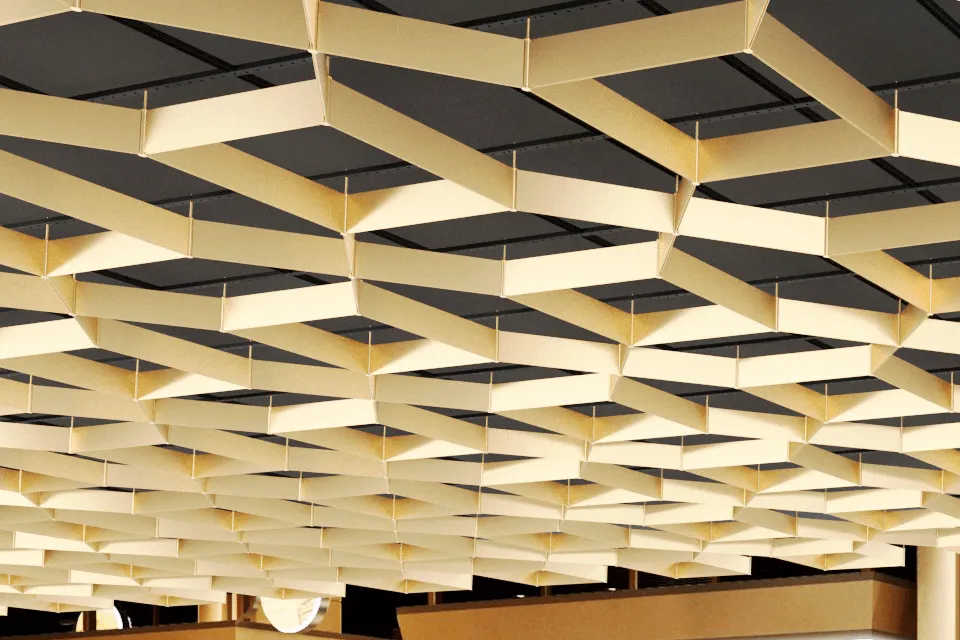
Mini, Midi or Maxi: how to choose a series of ceilings
When choosing a ceiling system, you often first look at the colour and overall style of the room, but in practice, one of the most noticeable parameters is the width of the ceiling element.
It forms the visual rhythm of the ceiling, affects the perception of the scale of space and sets the architectural character of the interior.
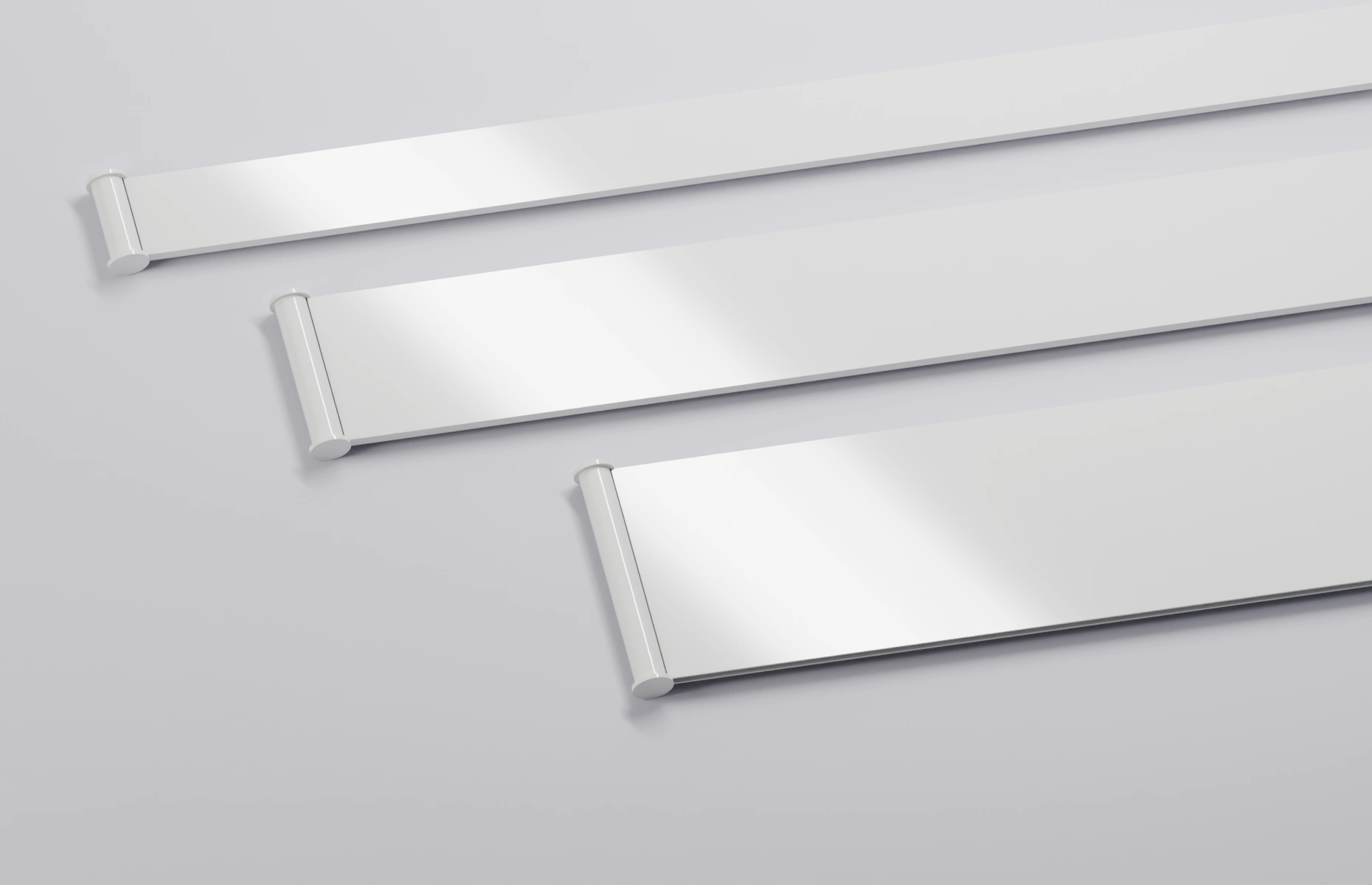
In the line of ceiling systems OptimusCity Three main series are used:
- Mini - 57 mm
- Midi - 103 mm
- Maxi - 150 mm
Each series solves its own task: from a fine graphic drawing to a major architectural step for spacious public areas.
Mini 57 mm: when you need a fine architectural rhythm
Series Mini 57 mm It is suitable where delicate ceiling graphics and high visual detail are important.
Benefits of the series:
- the finer rhythm of the ceiling;
- visual lightness;
- neat work in compact spaces;
- contemporary architectural design.
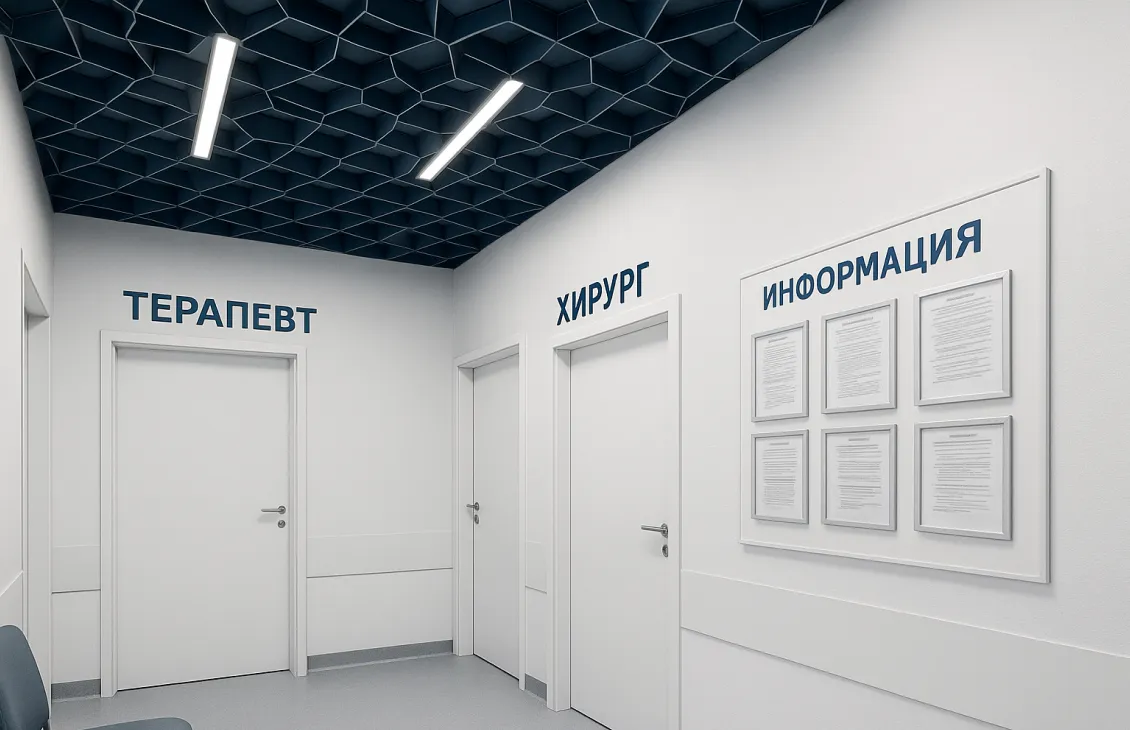
This series works well in offices, meeting rooms, corridors and public areas with low ceilings.
The smaller the width of the element, the thinner and more detailed the entire ceiling plane looks.
103mm Midi Series: Universal Balance
Series Midi 103 mm It's considered to be the most versatile solution, and it's suitable for projects where you need an expressive, but not overloaded, ceiling pattern.
The Midi series gives:
- comfortable scale for medium-sized premises;
- Balanced architectural presentation;
- Good integration of lighting;
- neat visual rhythm without excessive detail.
It is one of the most flexible options for business centers, shopping spaces, public interiors and educational facilities.
Maximi Series 150 mm: a major architectural step
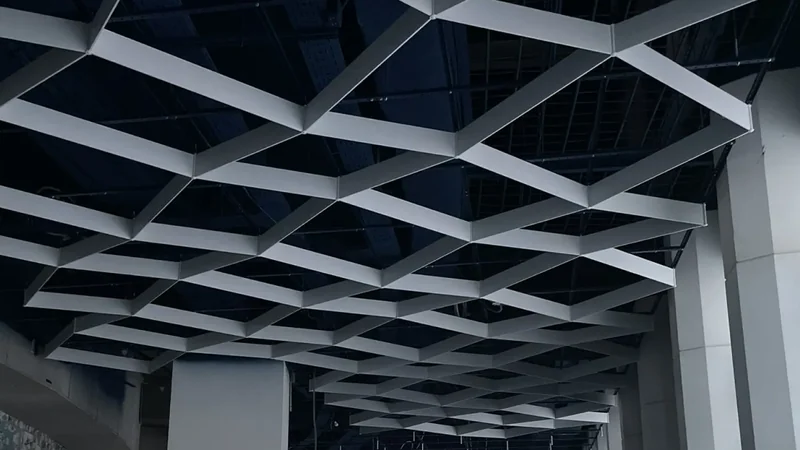
Series Maxi 150 mm It is used where the ceiling should become a noticeable architectural element.
The broad module provides:
- larger rhythm;
- expressive geometry;
- sense of scale;
- Strong ceiling graphics.
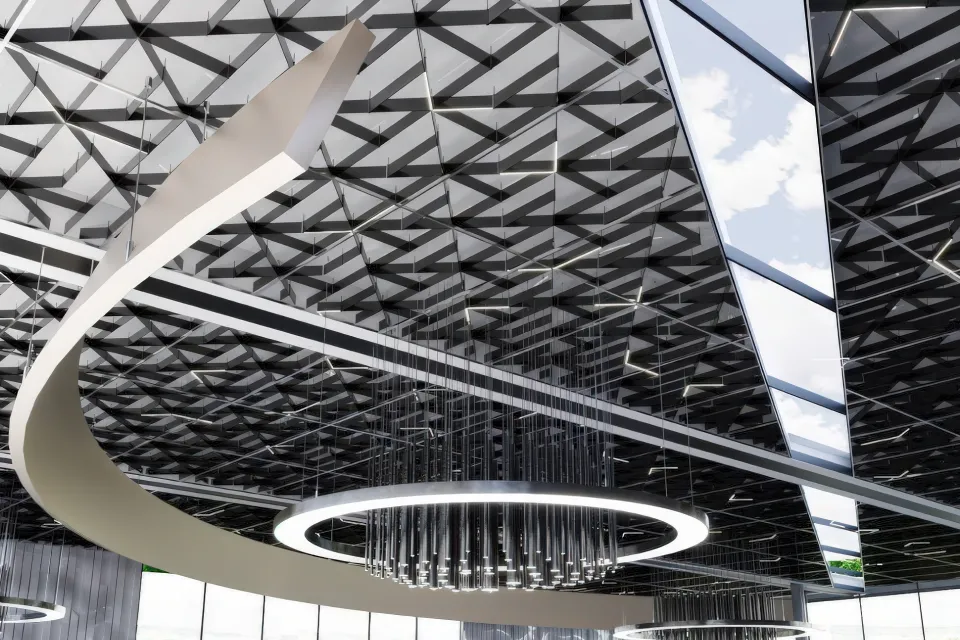
Best of all, the Maxi series unfolds in large halls, shopping galleries, airports and spacious public spaces.
How width affects the perception of the room
There is a simple rule: a narrow element makes the ceiling visually more detailed, medium - universal, wide - calm and large-scale.
Therefore, the series is chosen not separately from the project, but together with the architecture of the room, ceiling height, area, lighting and the overall visual load of the interior.
What to Consider When Choosing a Series
Before choosing, it is important to evaluate:
- height of the room;
- Ceiling area;
- lighting density;
- the number of building services;
- visual load of the interior.
When Mini, Midi and Maxi combine
In modern objects, the series is often combined within the same space, which helps to zonate the room, enhance the architectural scenario and work more accurately with the visual rhythm.
What series to choose for a public object
If you need a universal option, more often choose Midi 103 mmIf the fine ceiling graphics are important, — Mini 57 mmIf you want a big architectural accent, — Maxi 150 mm.
The optimal choice depends on the task of the project: compact space is more suitable Mini, medium commercial interior - Midi, and large public areas - Maxi.
| Series | Slat height |
|---|---|
| Mini | 57 mm |
| Midi | 103 mm |
| Maxi | 150 mm |